
Pyrmont and Ultimo are among the top ten most densely settled suburbs in Australia. Ultimo has 15,829 and Pyrmont 13,740 inhabitants per square kilometre.
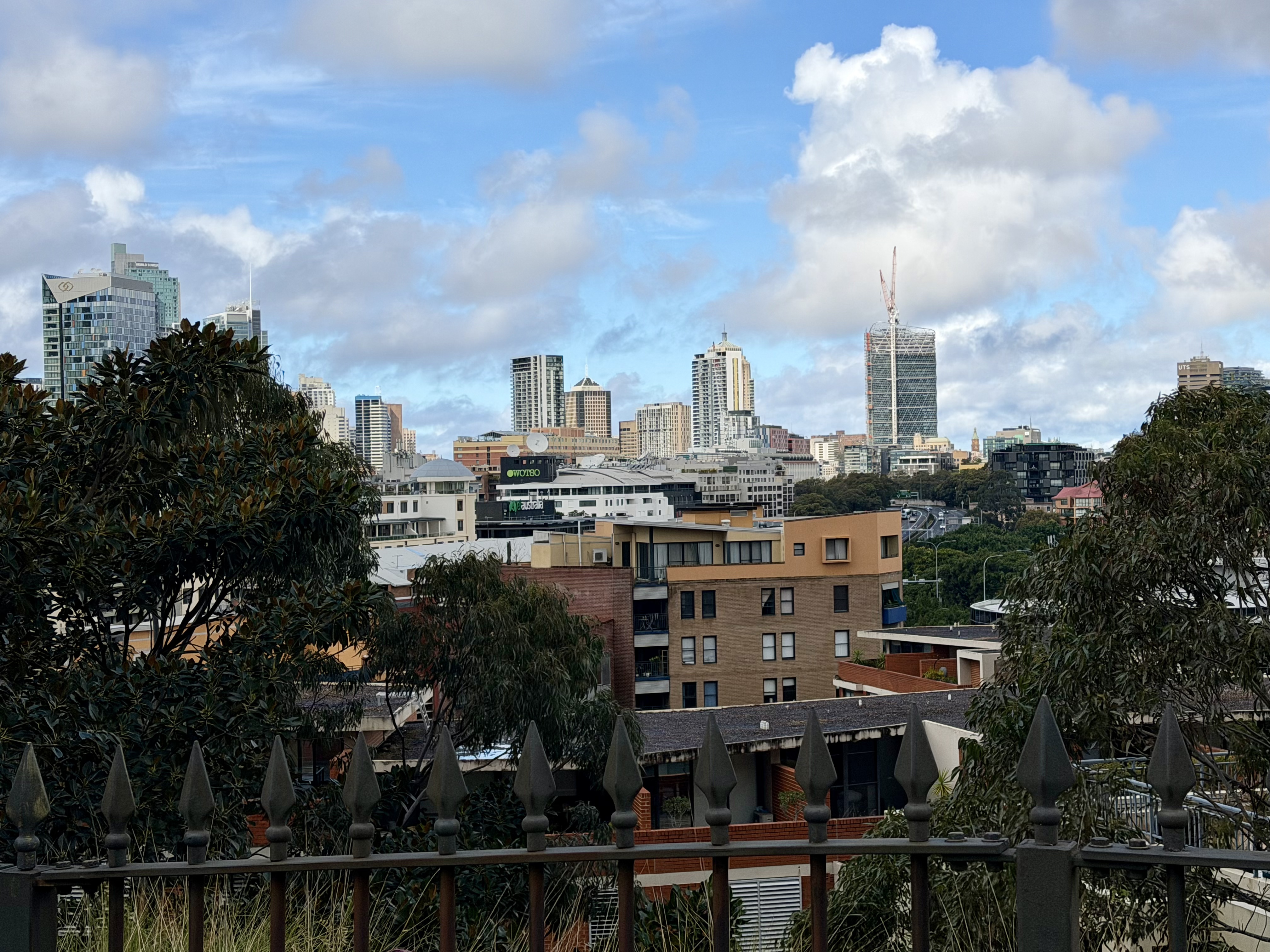
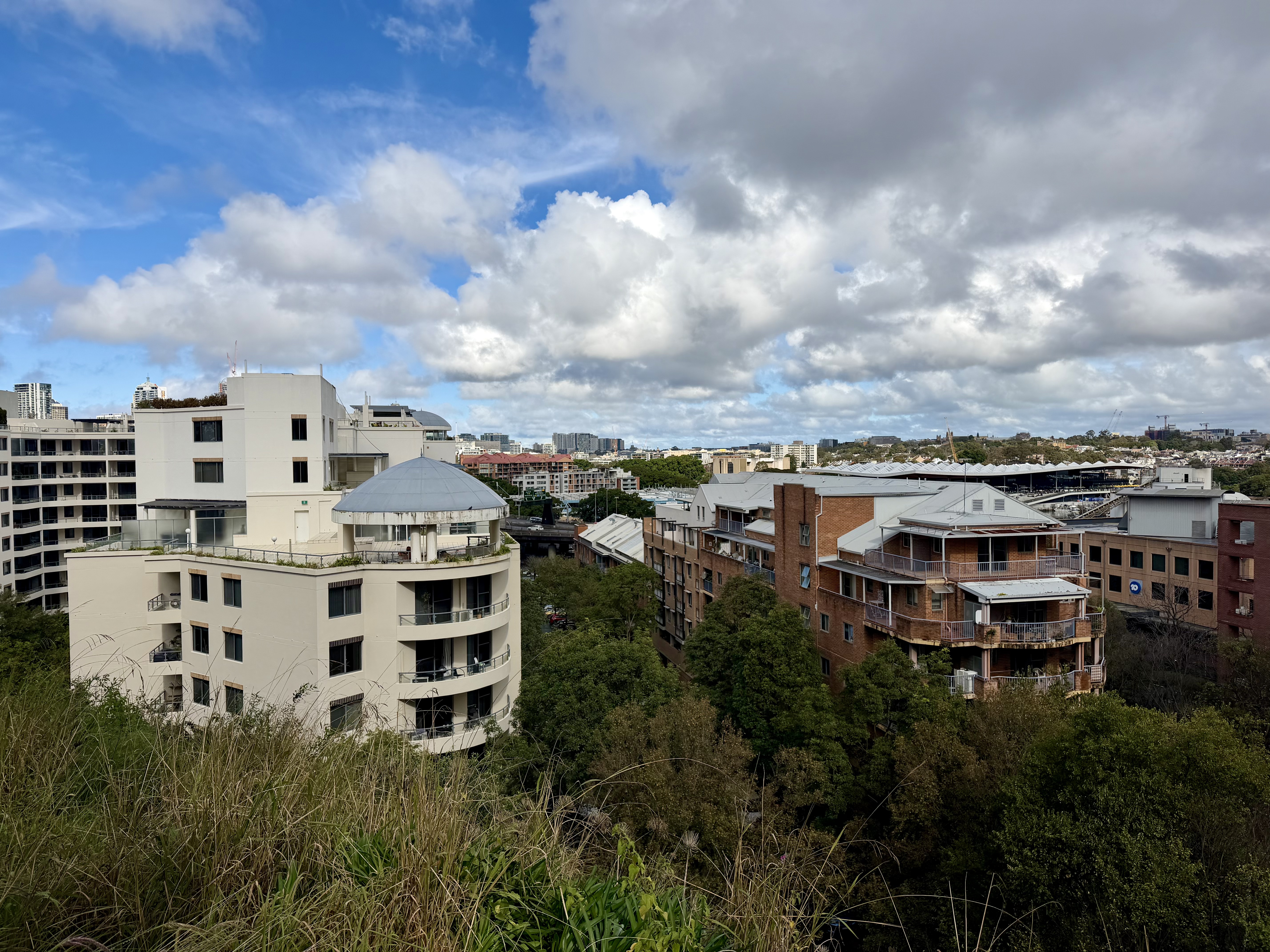
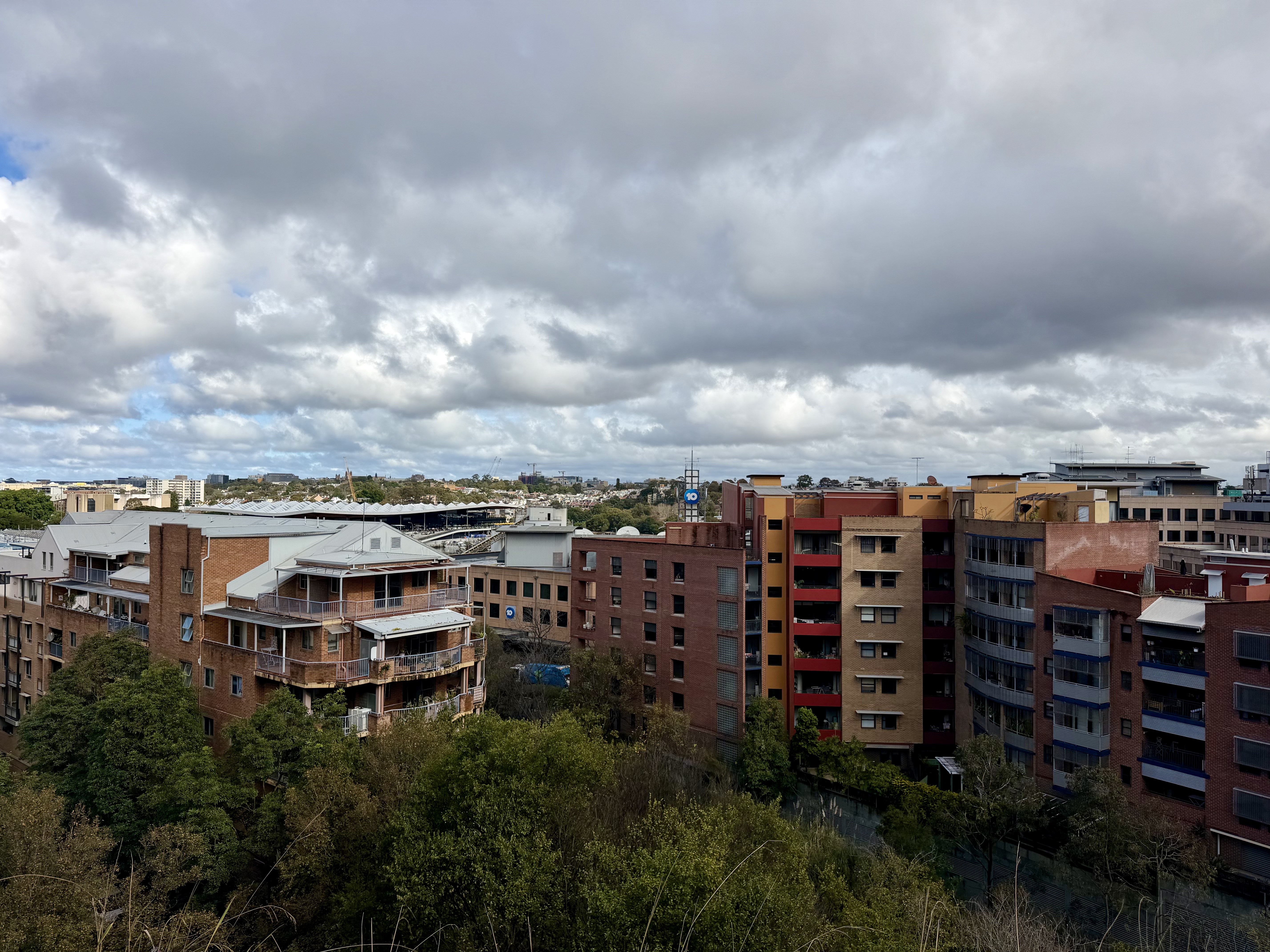
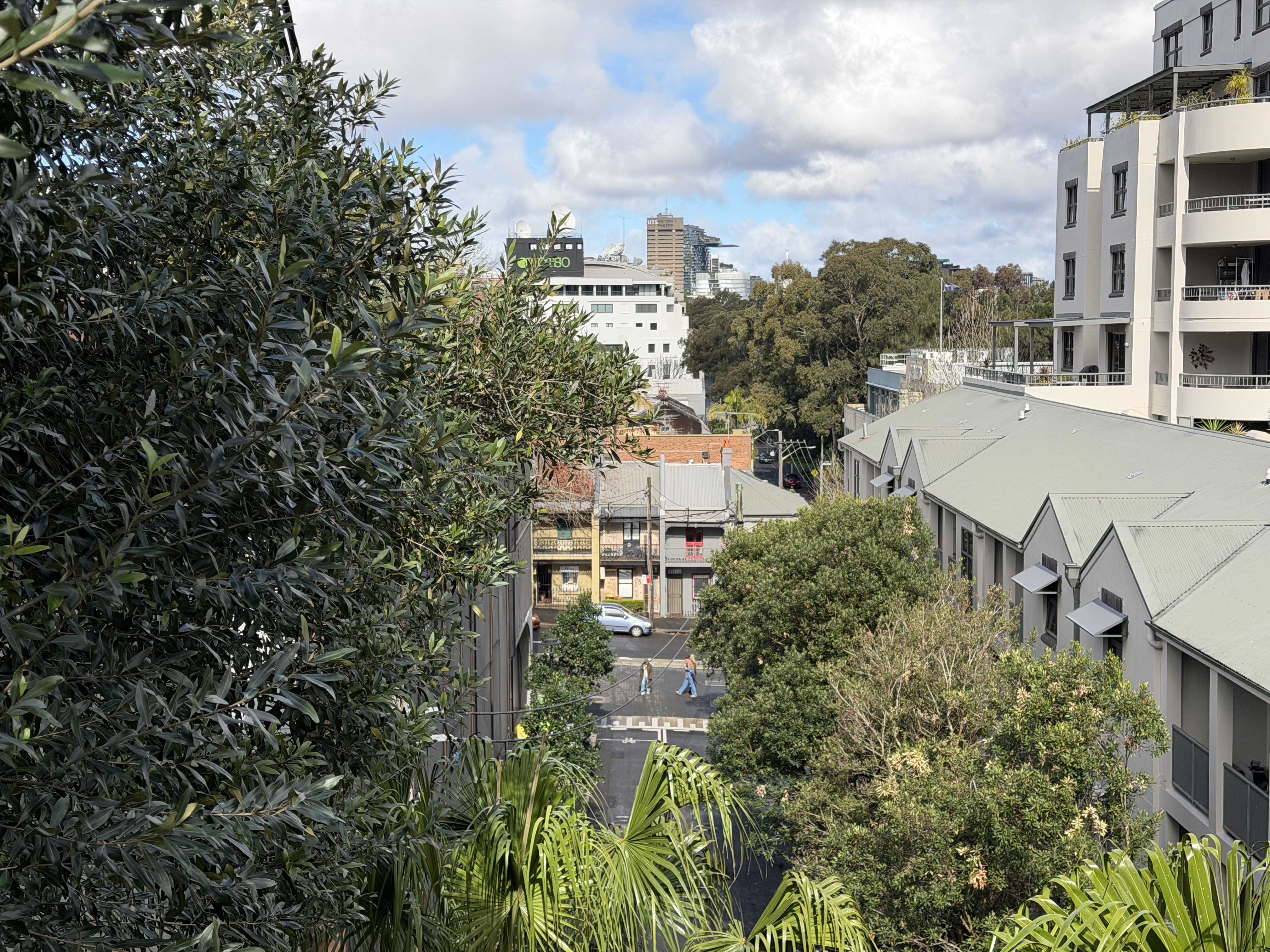

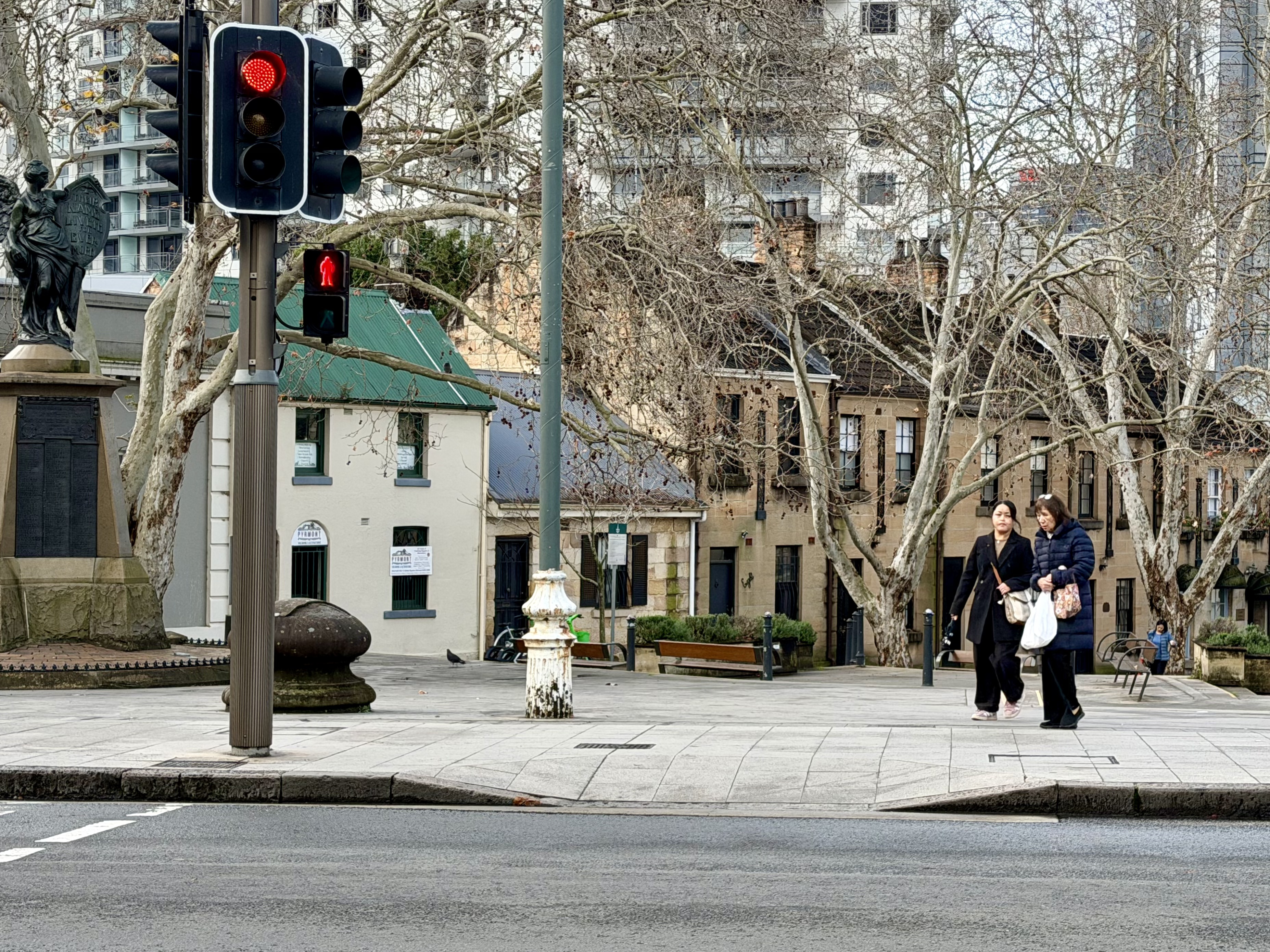
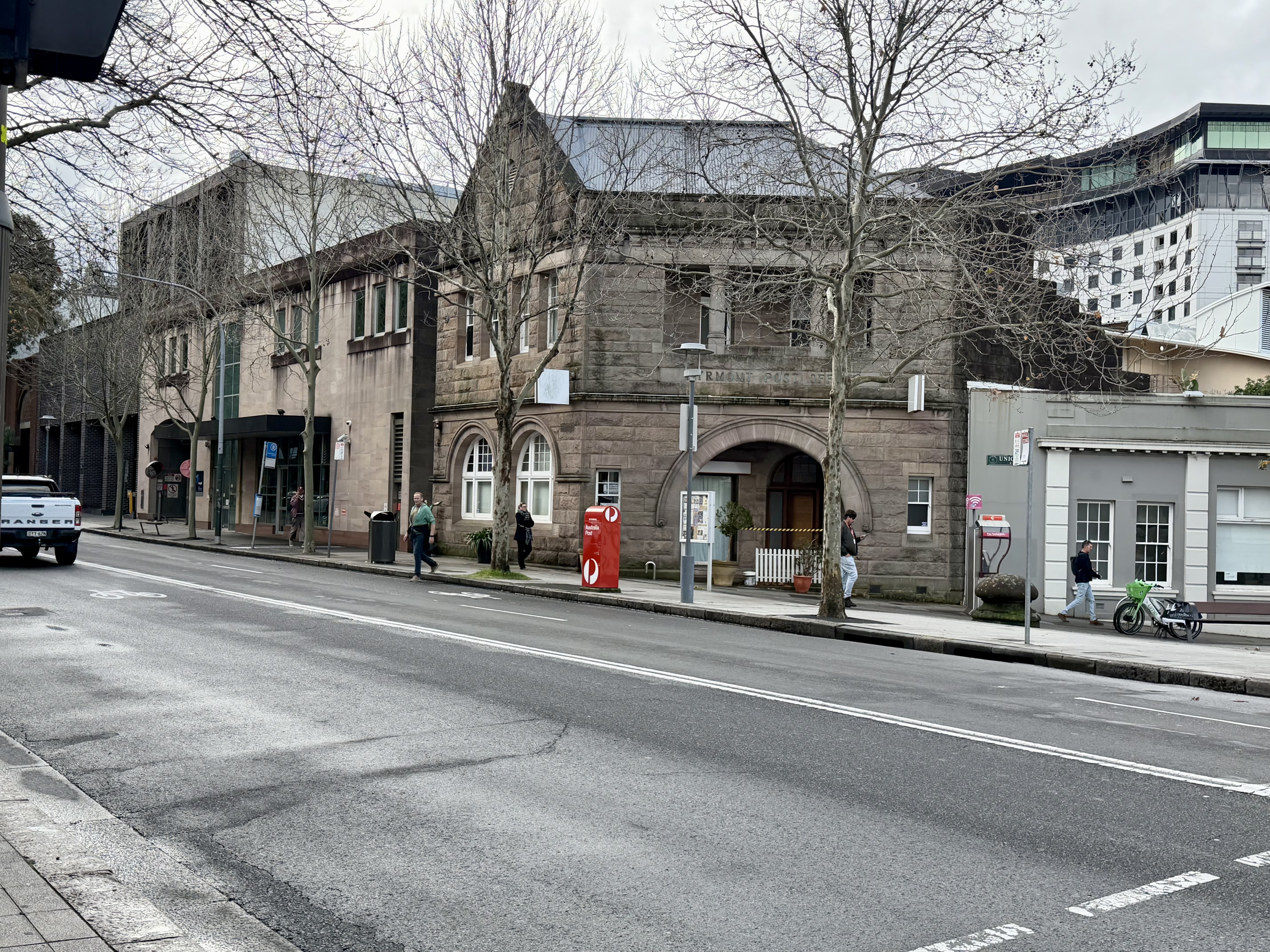

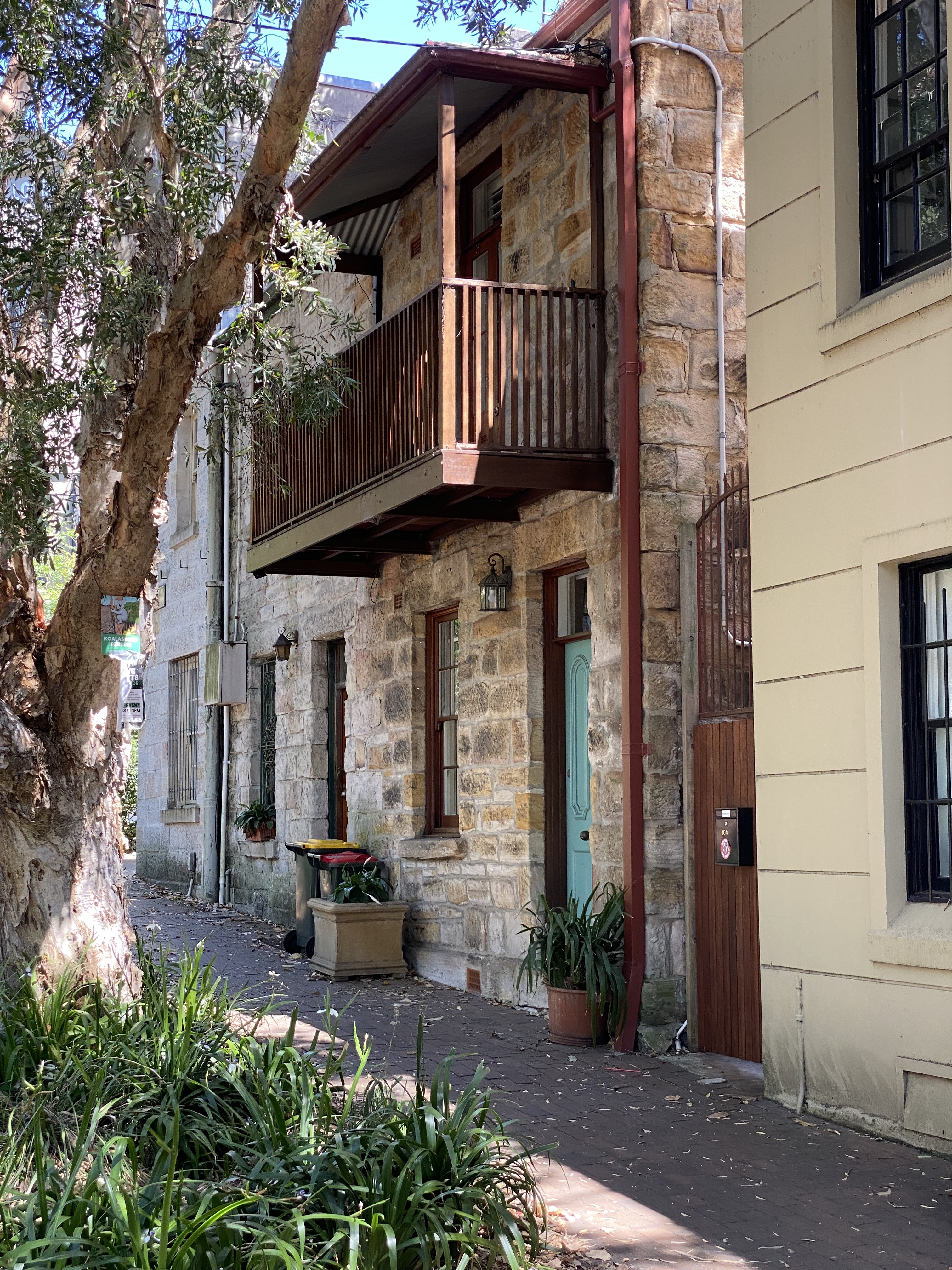
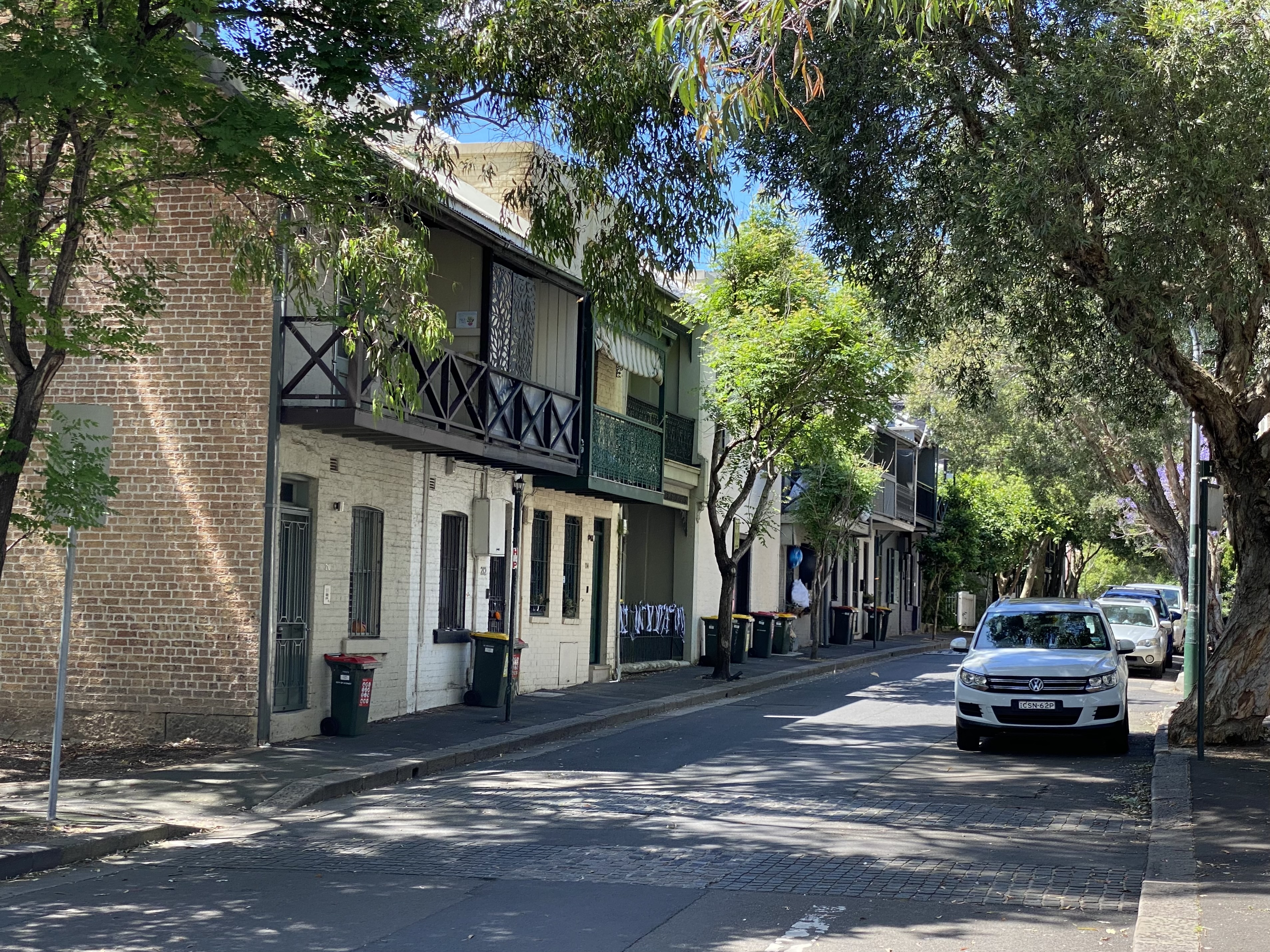
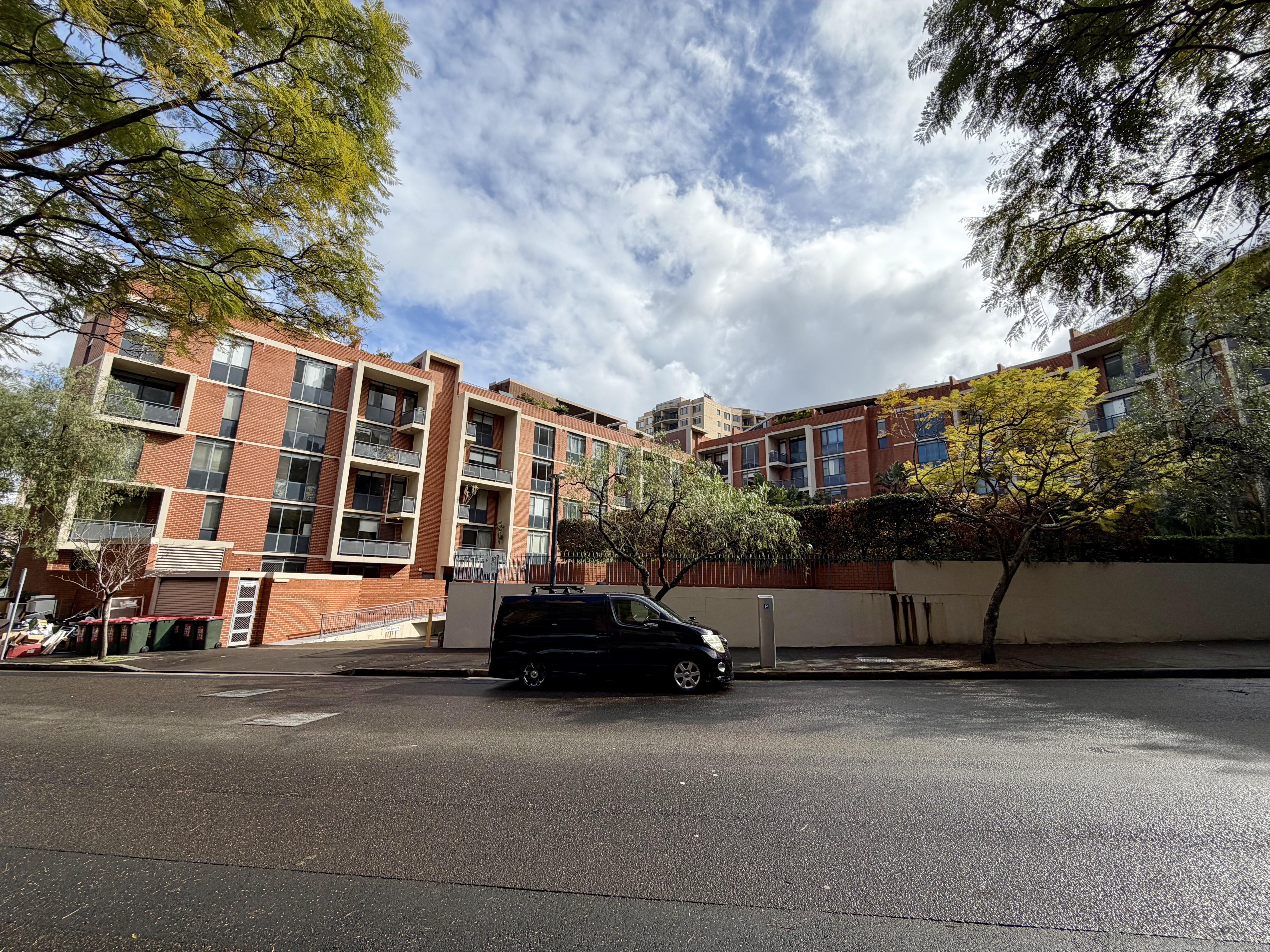
38 storey tower built in its place
In 2020 the Pyrmont Peninsula Place Strategy (PPPS) foreshadowed the addition 23,000 workers 4,000 dwellings and at least 8,000 more residents to these areas.
The PPPS has been superseded by the City of Sydney’s Ultimo Pyrmont Planning Framework. This has scaled up the initial projections accordingly
The target for dwellings has been increased from 4,000 homes to 4,192 to 4,800 new homes and from 8000 to 8500 more residents.
The target workers has been increased from 23,000 jobs to 27,000.
Such increases in population and intensity of land use will dramatically change the face of the two suburbs.
Increased residential and working population densities have infrastructural implications affecting:
- transport
- power
- water supply
- drainage and
- sewage management
Addressing these implications will require improvement and extension of relevant infrastructure which in turn will require significant capital investment.
In the overview only water supply, drainage and sewage management are addressed.
What follows draws on the Pyrmont Peninsula Place Strategy Utilities Infrastructure Assessment (UIA) finalised in 2020 and updated through 2025 planning,
Water supply
The PPPS and its successors will lead to an increased demand on the potable water infrastructure and, as we move into the era of AI based data processing, there is a pressing need to take account of the large water demand for cooling in data processing centres.
If the strategy does focus on water efficiency and resilience it will require high-performance standards, with less reliance on traditional systems, and improved sustainable practices.
Stormwater harvesting and water-sensitive urban design is likely to prove essential to reduce pressure on the water supply, but there seems little assessment of the real cost of such innovation in the PPPS.
Drainage and Sewerage
Given that Pyrmont and Ultimo are amongst Australia’s oldest suburbs both the sewerage and stormwater infrastructure is aged. Much of the system was constructed between the 1850 and the 1930s.
Sydney Water monitors the wastewater system, which experiences flows 5 to 10 times higher than average during heavy rain. While pipes are designed to hold three times the average dry flow, this increased volume can cause systems to overload and overflow.
Climate change forecasts suggest increased extreme weather events in the December to January period in future. Extreme, short-duration rainfall (less than one hour) is expected to become more intense, increasing flash flood risks.
Common Causes of Inflow
Inflow and infiltration arise from faults in private and public infrastructure, often caused by damaged maintenance holes, illegal drain connections to sewers, or inundated pump stations.
Rising populations increase the baseline wastewater volume, leaving less capacity in the network for storm events. Also, increased daily demand puts pressure on older infrastructure, increasing the risk of blockages and pipe failures.
Some of the most common failures in the drainage systems are
· downpipes or pool drains connected to the sewerage system
· cross connections between stormwater and sewerage pipes
· faulty or damaged maintenance holes
· faulty valve or backflow prevention devices
· faulty or low gully traps
Common Causes of Sewage Outflow
Non-flushable items in toilets blocking drains and causing overflows
Fats oils and grease poured into sinks clogging pipes and the wider sewerage network leading to overflow
Tree roots penetration through fractured pipes causing blockages
Stormwater overloading
Litter, sediment, nutrients, and chemicals
Implications of increasing population densities
Urbanization increases hard surfaces, reducing ingress of water through porous soil surfaces leading to increased stormwater runoff that infiltrates the wastewater system through faults.
More residents and businesses mean more water from toilets, showers, laundries, and kitchens entering the sewerage network. This increase in the baseline volume of wastewater and means that pipes are already closer to their capacity before a rain event even begins.
The added pressure on the system can lead to a few major issues:
Higher stress on infrastructure
The pipes and pumping stations in these older, inner-city suburbs were not originally designed to handle modern population densities. A greater constant flow will stress the entire network, increasing the risk of blockages and pipe failures.
To address these issues, Sydney Water and local councils need to implement significant upgrades and new strategies, these include the following
Infrastructure upgrades
This could involve replacing older, smaller pipes with larger ones, constructing new wastewater storage tanks, or even building additional pumping stations and treatment facilities to increase the system’s overall capacity.
Source control measures
Implementing Water Sensitive Urban Design (WSUD) is a crucial strategy. This includes building rain gardens, permeable pavements, and green roofs that capture and manage stormwater at its source, preventing it from entering the sewerage system and reducing the overall runoff.
Proactive maintenance
A focused effort to find and fix damaged pipes and illegal connections would be essential to reduce the amount of stormwater that can infiltrate the system.
The Wider Sewage Disposal problem
Sewage from the Pyrmont Ultimo is ultimately received by the processing plant at Malabar. Much publicity has been given to the failings of that plant which has accumulated a massive blockage of fatty material reported as breaking off and washing onto beaches along Sydney’s eastern seaboard.
Currently this plant services more than one third of Sydney’s population, supporting communities across South and West Sydney. Increasing population densities, particularly thoe proposed in Pyrmont and Ultimo will feed additional fatty debris into the Malabar processing plant.
The “Poo Ball” Crisis and Ocean Outfalls is widely reported in the following links from the Guardian newspaper:
- “Fatberg the size of four buses likely birthed poo balls that closed Sydney beaches – and it can’t be cleared” (Jan 2026): https://www.theguardian.com/australia-news/2026/jan/17/fatberg-poo-balls-sydney-beaches-malabar-outfall-secret-report
- “Why does Sydney pump sewage into the ocean and put its famous beaches at risk of poo balls?” (Jan 2026): https://www.theguardian.com/australia-news/2026/jan/20/why-does-sydney-pump-sewage-into-the-ocean-and-put-its-famous-beaches-at-risk-of-poo-balls
- “Pumping sewage into the sea has long been a Sydney thing – and even $32bn won’t change that” (Jan/Feb 2025): https://www.theguardian.com/australia-news/2025/feb/01/pumping-sewage-into-the-sea-has-long-been-a-sydney-thing-and-even-32bn-wont-change-that
- “Sydney’s unusual sewerage system to blame for faecal and fat balls on beaches, experts claim” (Jan 2025): https://www.theguardian.com/australia-news/2025/jan/18/sydney-beaches-debris-balls-cause-sewerage-system
- Why does Sydney pump sewaghe into the ocean and put its famous beaches at risk of poo balls?
Experts say Sydney Water should better treat wastewater before sending it offshore at Malabar, Bondi and North Head. The corporation disagrees.
20 January, 2026.
Of course, not all sewage from established harbourside suburbs makes it as far as Malabar. Owing to aged and leaking sewerage and drainage systems, particularly in Pyrmont and Ultimo, heavy rain flushes sewage into Sydney Harbour. Once in the harbour it is a nutrient that stimulates bacterial growth that feeds bait fish and their predators and ultimately the apex predators, bull sharks that frequently feed in estuarine environments.
While bull sharks move northwards in winter, a warming Tasman Sea has them lingering longer in bays and estuaries. The oceans off south-east Australia and the Tasman Sea are a particular hotspot and are now warming at twice the global average.
Infrastructure failures and localised overflow
In July 2023 Sydney Water was fined over $365,000 for the discharge of 16m litres of raw sewage in partially collapsed sewerage system at Naremburn in 2020. This resulted in, backed up sewage containing urine and faeces backed overflowing into the suburb.
The Guardian published several reports on this incident:
- https://www.theguardian.com/australia-news/2023/jul/05/sydney-water-fined-over-discharge-of-16m-litres-of-raw-sewage-in-northern-suburb
- https://www.theguardian.com/australia-news/2025/jun/13/theres-faeces-everywhere-carols-home-regularly-floods-with-sewage-its-a-sign-of-a-neglected-public-housing-system
- https://www.theguardian.com/australia-news/2021/oct/07/the-unflushables-sydney-water-warning-after-weird-flushes-cause-blockages
Sewage from the Pyrmont Ultimo is ultimately received by the processing plant at Malabar. Much publicity has been given to the failings of that plant which has accumulated a massive blockage of fatty material reported as breaking off and washing onto beaches along Sydney’s eastern seaboard.
Currently this plant services more than one third of Sydney’s population, supporting communities across South and West Sydney. Increasing population densities, particularly thoe proposed in Pyrmont and Ultimo will feed additional fatty debris into the Malabar processing plant.
Appendix 1 has hyperlinks to newspaper articles on The “Poo Ball” Crisis & Ocean Outfalls.
Of course, not all sewage from established harbourside suburbs makes it as far as Malabar. Owing to aged and leaking sewerage and drainage systems, particularly in Pyrmont and Ultimo, heavy rain flushes sewage into Sydney Harbour. Once in the harbour it is a nutrient that stimulates bacterial growth that feeds bait fish and their predators and ultimately the apex predators, bull sharks that frequently feed in estuarine environments.
While bull sharks move northwards in winter, a warming Tasman Sea has them lingering longer in bays and estuaries. The oceans off south-east Australia and the Tasman Sea are a particular hotspot and are now warming at twice the global average.
Infrastructure Failures & Localized Overflow
In July 2023 Sydney Water was fined over $365,000 for the discharge of 16m litres of raw sewage in partially collapsed sewerage system at Naremburn in 2020. This resulted in, backed up sewage containing urine and faeces backed overflowing into the suburb.
The Guardian published several reports on this incident.
- https://www.theguardian.com/australia-news/2023/jul/05/sydney-water-fined-over-discharge-of-16m-litres-of-raw-sewage-in-northern-suburb
- https://www.theguardian.com/australia-news/2025/jun/13/theres-faeces-everywhere-carols-home-regularly-floods-with-sewage-its-a-sign-of-a-neglected-public-housing-system
- https://www.theguardian.com/australia-news/2021/oct/07/the-unflushables-sydney-water-warning-after-weird-flushes-cause-blockages
Plans for the Future
To address these critical issues, the NSW government and Sydney Water are undertaking an overhaul of the Malabar plant. Announced in January 2026 the proposed $3-billion overhaul is scheduled to be completed over 10 years
Titled the Malabar System Investment Program it aims to significantly reduce ocean discharge by diverting wastewater to new or upgraded facilities at Glenfield, Liverpool, and Fairfield. These sites will eventually process wastewater into recycled water for industrial use. So, it addresses a far wider area than Pyrmont and Ultimo, it appears to be lagging proposed increases in densities within these areas.
The project was given priority by the NSW Government after investigations by the Environment Protection Authority (EPA), identified the Malabar Deep Ocean Outfall as the likely source of fatty debris balls that washed up on Sydney’s beaches in late 2024 and early 2025.
The overhaul is divided into short, medium, and long-term actions to reduce the volume of wastewater discharged into the ocean and prevent future debris incidents:
Sydney Water is required by the EPA to perform urgent maintenance, including removing fat, oil, and grease build-up from the hard-to-access “bulkhead area” of the deep ocean outfall in 2026. Infrastructure, such as specific pump replacements are scheduled for completion by June 2026.
A consortium led by ACCIONA is to deliver the first major package of works, expected to be completed by 2029. This includes upgrading primary treatment, grit removal, and screening.
A key question is, can all of this keep pace with the proposed development of new structures and increased densities or will it simpley lag behind such development.
In other words can the planning improve solids capture and scum removal systems to stop the formation of debris balls.
Can kit provide the necessaryupgrades to support hundreds of thousands of new homes in Sydney’s south-west, as well as Pyrmont and Ultimo
Also what about future proofing, for example producing purified recycled water for rapid growth of data centres and other industries.
While Sydney Water plans to invest approximately $32 billion to $34 billion over the next decade to upgrade its network and build resilience, a serious question remains. Will this be soon enough or will development simply precede it.
Variations in Water Supply
One issue that does not seem to gain sufficient attention is the expected increase in Sydney’s summer rainfall. It is projected to rise, with severe weather events becoming more frequent in December and January, driven by El Niño Southern Oscillation (ENSO) patterns and global warming. These climate factors are increasing rainfall variability, creating risks to public safety and city infrastructure from extreme, intense precipitation.[1]
In the El Niño phase of the oscillation Sydney has already experienced acute water shortages. As a compensatory measure a desalination plant has been established to supplement the water supply.
Desalination
Some suggests that we can simply use the desalination plant at Kurnell as a means of supplementing water supplies.
The plant at Kurnell does cause increased salinity immediately around the discharge point, but the impact is highly localized.[2]
The plant can supply an average of 250 million litres per day, which accounts for approximately 15% of greatest Sydney’s daily drinking water needs and serves around 1.5 million people across the Sydney CBD, Inner West, Eastern Suburbs, Southern Sydney, and parts of Sutherland Shire, with occasional distribution as far West as Auburn. On an annual basis this equates to roughly 91 gigalitres of water per year, covering about 17% of Sydney’s potable water demand.[3]
The desalination plant was designed to supply 500 million litres per day.
One of the major problems with this solution is that it increases the amount of salinity in the ocean near the plant which can lead to oxygen depletion and while not toxic does alter marine ecology. Sydney’s desalination plant uses diffusers that ensure salinity returns to normal background levels within 50 to 100 metres of the outlet. It remains to be seen what the impact of doubling the capacity of the plant would be.
Data Centres
The number of data processing centres in Sydney is projected to undergo a large increase which means an increase in water demand, consuming as much as 25% of Sydney’s annual drinking water by 2035. This is assuming that all proposed developments take place without major structural changes. At present data centres consume less than 1% of the city’s total water demand. For more detail see Sphere Infrastructure’s AI, data centres and water: Australia’s next infrastructure test.
This presents the Pyrmont peninsula with a particular challenge as there are already three major data centres in Pyrmont and Ultimo:
- The DigiCo SYD1 Campus (Ultimo) — 2 Data Centres at 400 Harris Street
- 5G Networks Sydney Data Centre (Pyrmont) — 1 Data Centre at 55 Pyrmont Bridge Road
With the projected increase in working and residential population it is reasonable to assume further increases in data centre development.
Such development foreshadows the need for new approached to water usage, water recycling and other strategies [4]. These might include:
- Greywater reuse (e.g. using building wastewater streams for cooling towers)
- Rainwater harvesting
- Stormwater capture and reuse
- Reclaimed water from councils/utilities
- Closed-loop cooling to minimise evaporation loss
This requires careful planning, something that is not evident in the 2020 Pyrmont Peninsula Place Strategy (PPPS) although the NSW Government’s Upper House (Public Accountability and Works Committee) has been conducting an inquiry into Data Centres. This is expected to conclude on 30 September. More to come on this.
Drainage & Urban Development Pressures
- “Increased urban development in Australia could make future floods worse” https://www.theguardian.com/commentisfree/2021/mar/22/increased-urban-density-in-australia-could-make-future-floods-worse
- “‘It will be a disaster’: mayor’s dire warning over developer-led housing outside Sydney” (Feb 2023): https://www.theguardian.com/australia-news/2023/feb/26/it-will-be-a-disaster-mayors-dire-warning-over-developer-led-housing-outside-sydney
- “Sydney facing water shortage within 20 years if current growth continues” https://www.theguardian.com/environment/2021/sep/28/sydney-facing-water-shortage-with-20-years-if-current-growth-continues-government-predicts
These are points for future investigation and will be covered on this Blog
- [1]https://www.bom.gov.au/climate/updates/articles/a020.html
- [2] https://sydneydesal.com.au/wp-content/uploads/2023/06/2016-SDP-MEMP-Recruitment-and-salinity-studies-final-report-Nov-2013-00045238xCE34F.pdf
- [3] https://www.sydneywater.com.au/water-the-environment/how-we-manage-sydneys-water/water-network/desalination.html
- [4] https://southlandfiltration.com.au/balancing-data-centre-growth-with-water-responsibility/



Leave a Reply