Introduction
Last evening my wife and I boarded a bus headed for into the city to join a friend in celebration of her 70th birthday. Strolling to the bus stop took us through several crowds of children dressed in brightly coloured attire, some in skeletons suits, some with witches hats and others in various types of fancy dress that drew on children’s stories. All we’re going door-to-door accompanied by parents and receiving confections of various sweets.
When the bus came it turned out that there were numerous adults, on the bus, quite a youthful crowd in their early 20s. Several of the women had their faces coloured with strongly shaded make-up. Others wore fancy dresses.
Arriving at Sydney Town Hall the streets were crowded with people in fancy dress though very few in ghoulish attire. My favourite was the couple dressed as Bananas in Pyjamas.
Numerous people, adults, children, accompanying parents and people gifting sweets were politely greeting one another with “Happy Halloween”.
What is Halloween
So what prompted this event, Halloween, and what is its origin?
Halloween was not part of my childhood in the 1950s, only assuming its present character, and extent here in Australia, as recently as the last 15 to 20 years. My youth was marked by special events like Cracker Night celebrated with fireworks and bonfires on 24 May Empire Day (Queen Victoria‘s birthday).
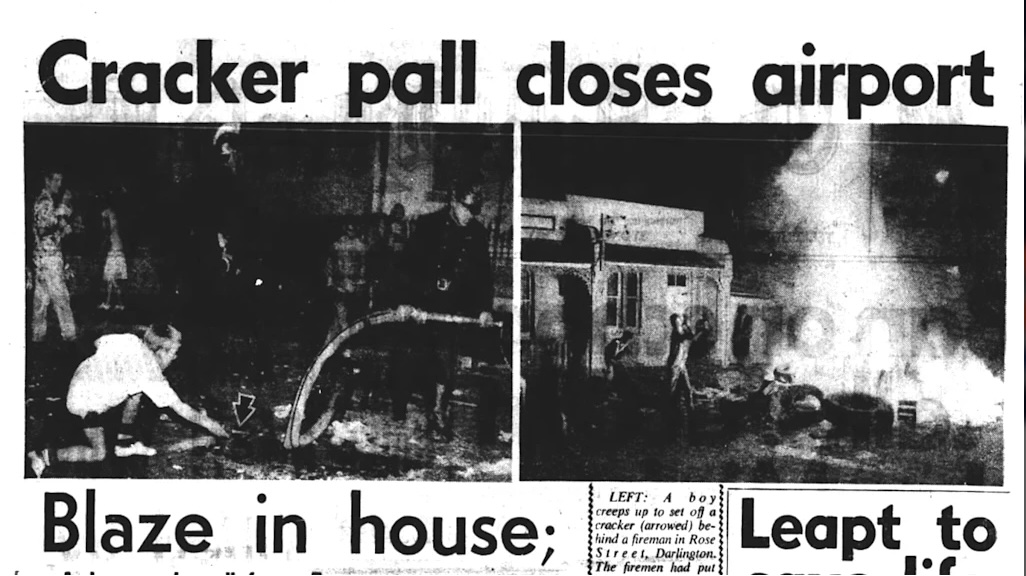
The dangerous and polluting bonfires were eventually banned
Christmas, or Xmas, with its decorations, Christmas Trees, gift giving, decorated shop windows, carol singing, and very traditional northern European fair was the biggest event. Then there was Easter celebrated with Easter egg hunts. The very significance of Good Friday, Holy Saturday and Easter Sunday weren’t a large feature of the period, except for practising Christians. Probably for most, it was a public holiday period often permitting short trips to different parts of the state. Prior to my baptism as an Orthodox Christian that is very much how it was for me also.
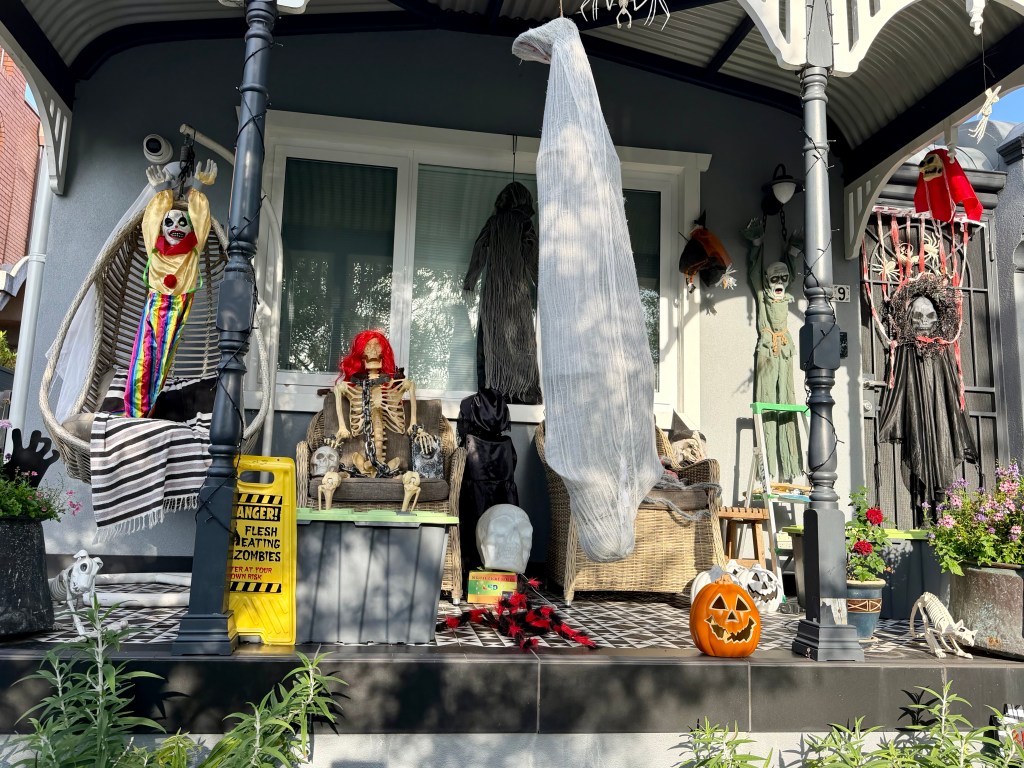
Going by the name of Halloween this new celebration sees supermarkets, variety and department stores devoting space to sell mock spiderwebs, witches hats, plastic pumpkins, skeletons, ghouls and all sorts of gaudy paraphernalia for at least a month before this day, 31 October. Numerous houses are festooned with such trappings.
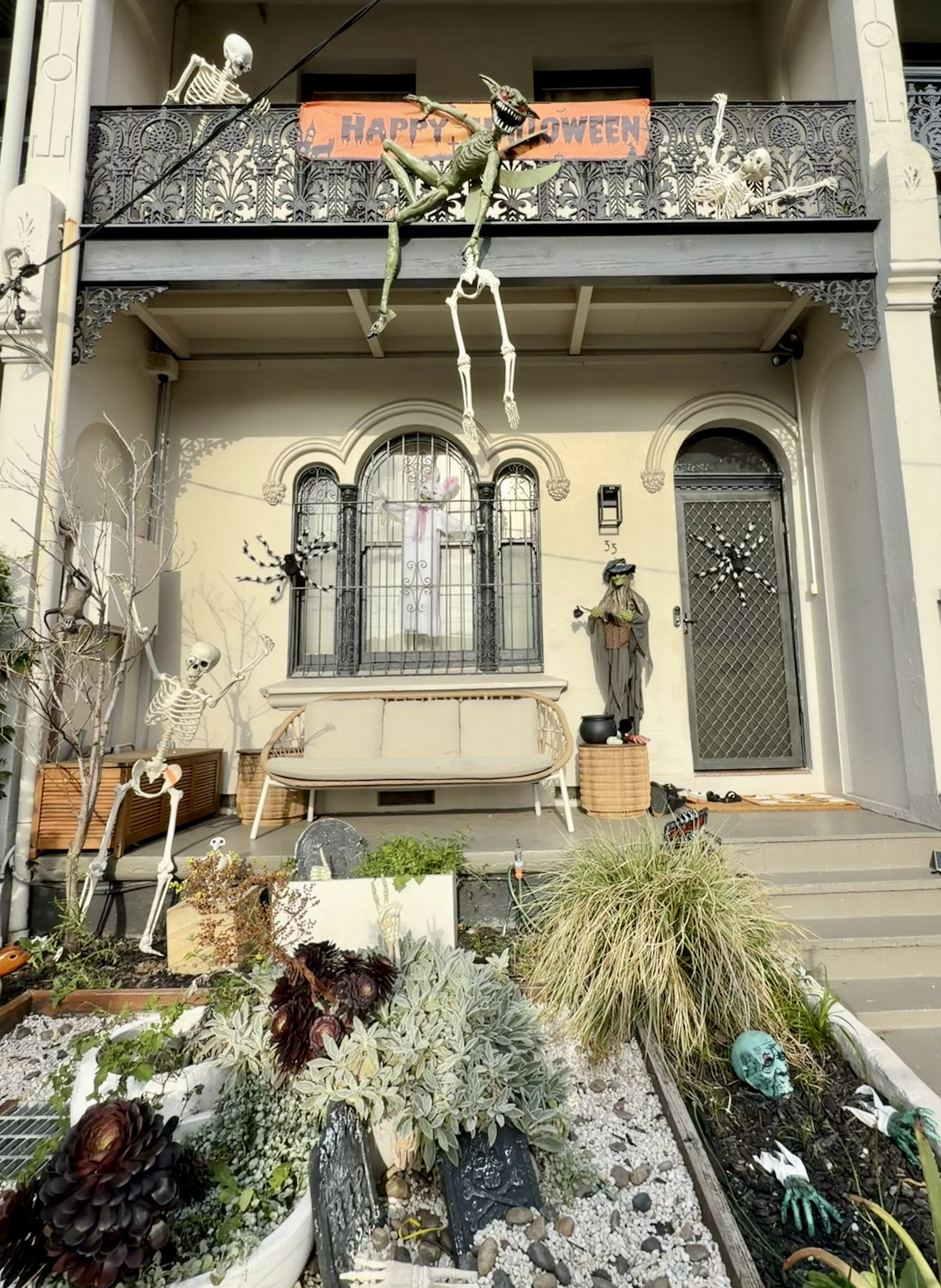
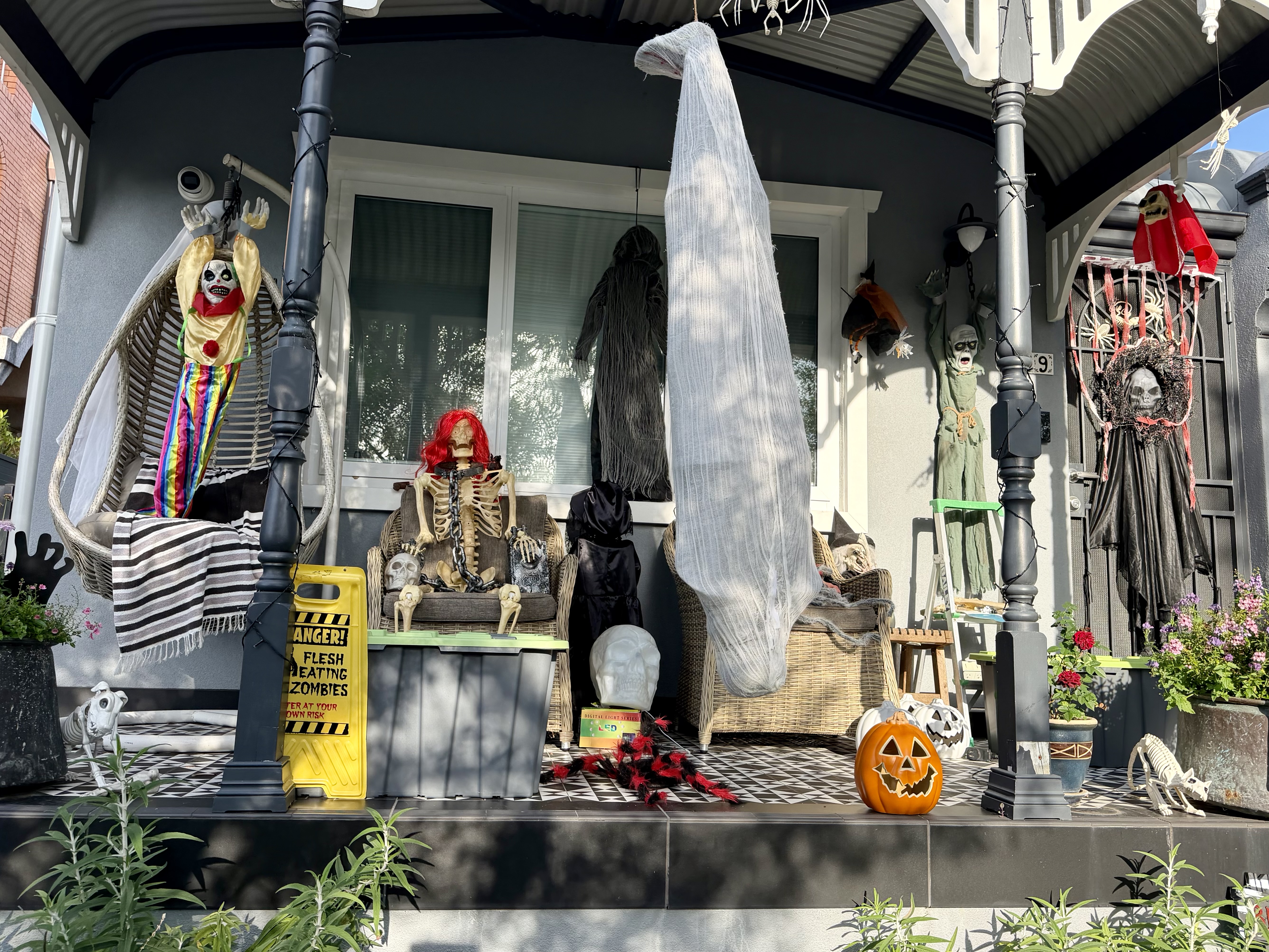
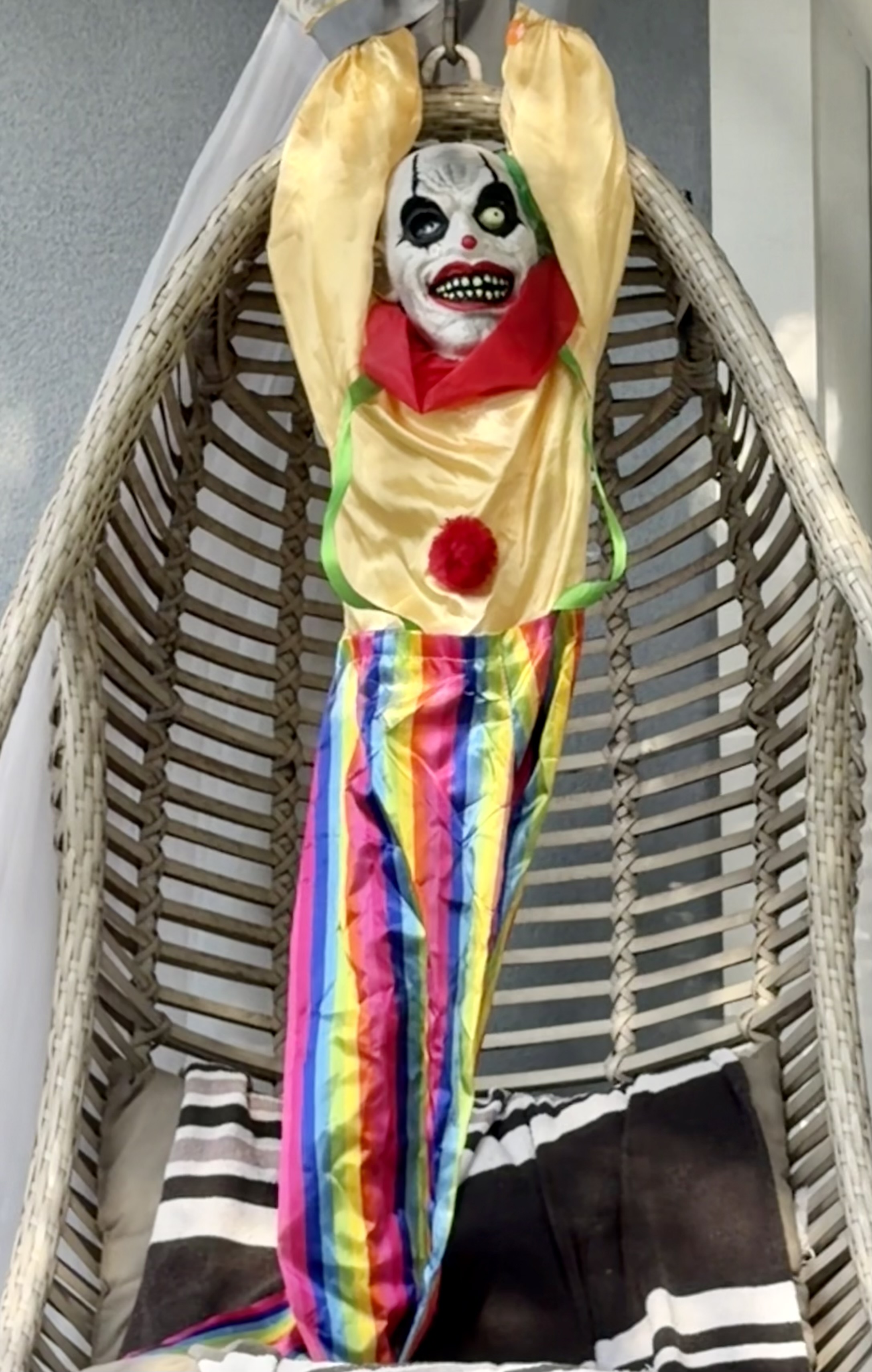
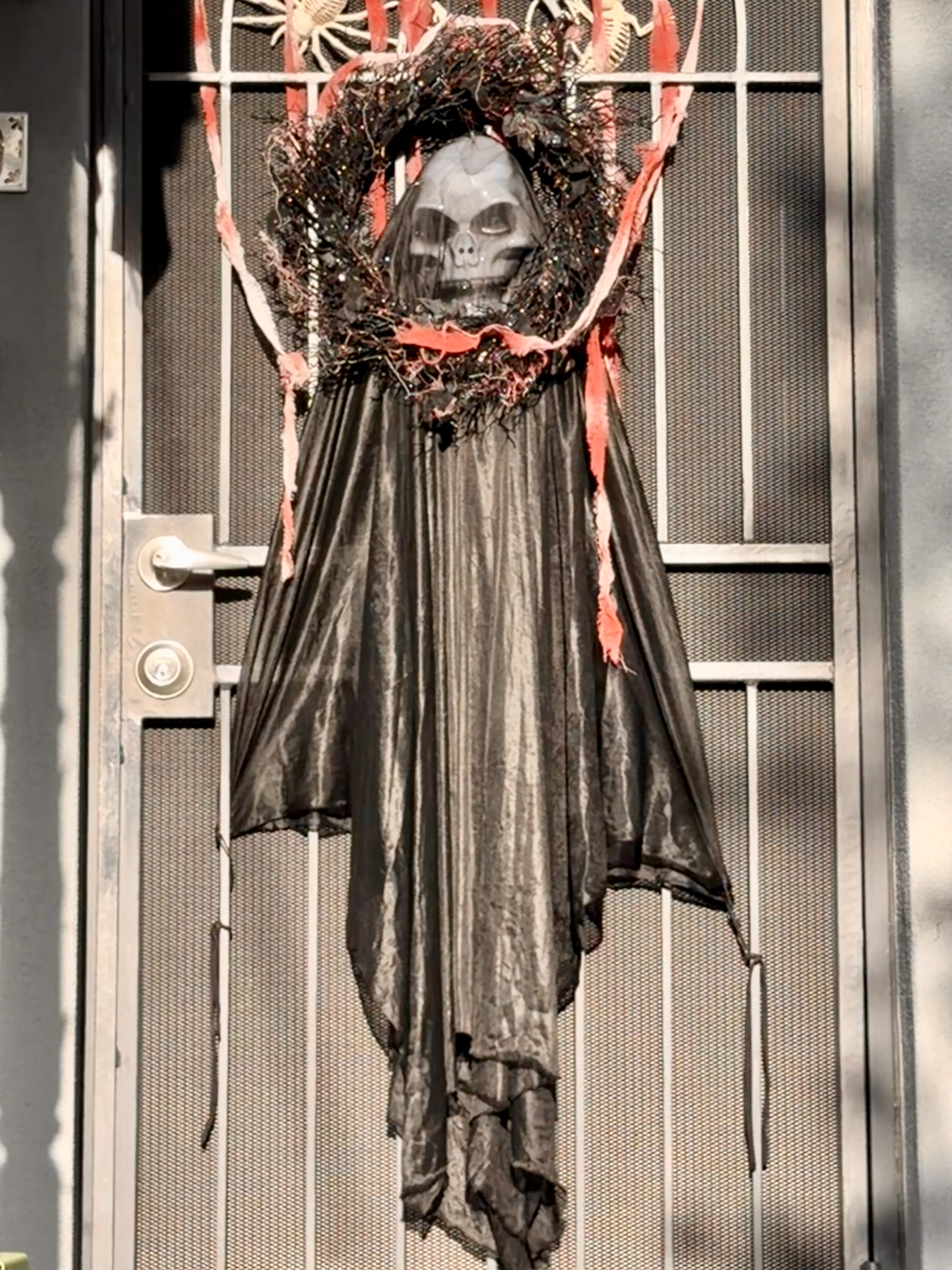
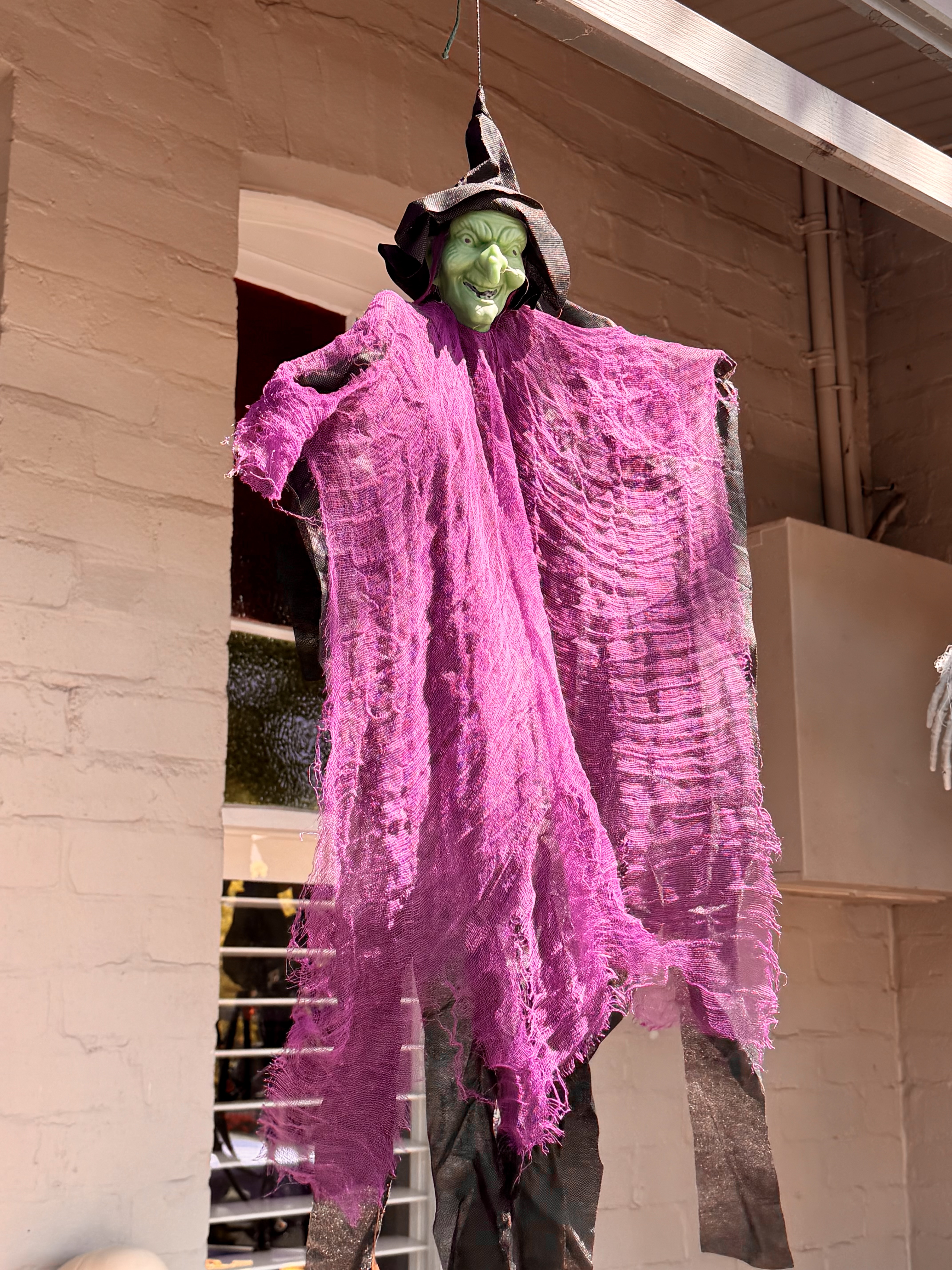
How did we get to the point? Why all this ghoulish stuff from? What does it mean.
Few annual events have attracted as much controversy as Halloween. Portrayed as either a harmless secular festival or the direct survival of an ancient pagan religion, yet not allcurrent interpretations accurately reflect the historical evidence.
The observance of Halloween
The modern observance of Halloween emerged through centuries of development within the Christian liturgical season of Hallowtide, centred upon the feasts of All Saints and All Souls and shaped by theological reflection on sanctity, death, judgment, remembrance, and resurrection. Some argue that id emerged from an ancient Celtic pagan ritual. On analysis, what becomes apparent is a process of cultural adaptation rather than the simple continuation of a pre-Christian religious festival. 1
As an Orthodox Christian I’ll begin with an analysis of this recurring event with an examination of the church’s remembrance of the departed
Ancient rituals: Samhain and Historical Evidence
The date of Halloween corresponds with the end of the harvest season and preparation for the onset of winter, in the northern hemisphere
The ancient Irish festival of Samhain occupied an important place within the seasonal calendar of Gaelic society. Medieval Irish texts associate it with the conclusion of harvest activities and the transition into winter. Certain literary traditions also present it as a transitional period when interaction between the human world and the Otherworld was believed to become more possible. 2
Modern popular literature often attributes a range of practices to Samhain with little or no historical evidence. Some claims suggest it as a time of human sacrifices to a deity named Samhain, or by a “Lord of the Dead” but there is no convincing support for this. Contemporary historians of religion tend to regard such assertions as products of later antiquarian speculation rather than something supporfted by documentary evidence. 3
To the extent that such beliefs have continued into the modern era might explain some of the ghoulish aspect of Halloween as we encounter it.
The Establishment of All Saints’ Day
The origins of the Halloween season are inseparable from the Christian Feast of All Saints. The celebration of all the saints on 1 November was established within the Western Church before the schism between East and West. Pope Gregory III (731-741) dedicated an oratory in St Peter’s Basilica to all saints and martyrs, while Pope Gregory IV (827-844) extended the observance throughout the Frankish Empire and the wider Western Church.4
By the beginning of the ninth century, the feast was established throughout much of Britain and Ireland. This demonstrates is that the November feast entered Ireland through the already established Christian Church rather than by an accommodation of a preexisting pagan cult.5
Evidence suggests a gradual Christianisation of seasonal customs across Britain, Ireland, and continental Europe. Local autumn practices, communal gatherings, bonfires, harvest celebrations, and commemorations of the dead were incorporated into a Christian liturgical framework concerned with mortality, intercession, salvation, and eternal life6
Seasonal customs were reinterpreted and integrated into the life of the Church. The observances derived their theological significance not from pagan rituals but from Christian doctrine concerning the communion of saints and the resurrection of the dead.
7All Souls Day and the Medieval Vision of the Church
The development of All Souls’ Day provided Hallowtide with its fullest theological expression. All Souls’ Day was officially established between 998 and 1030, and instituted by St. Odilo, the Abbot of Cluny, a highly influential Benedictine monastery in France.The observance is commonly traced to St Odilo, Abbot of Cluny (c. 962-1049), who instituted an annual commemoration for all the faithful departed among the Cluniac monasteries. The practice spread rapidly throughout Western Christendom and by the late Middle Ages had become one of the most important commemorations of the liturgical year.8
Together, All Saints and All Souls embodied a unified vision of the Church. The saints were celebrated as those glorified in Christ, while prayers were offered for the departed faithful who awaited the final resurrection. The season therefore became a liturgical expression of the communion of saints across the apparent divide of death.
Medieval Customs and Their Development
Several customs commonly associated with modern Halloween can be traced directly to this Christian context.
Souling
The practice known as souling involved the distribution of soul cakes in exchange for prayers offered on behalf of deceased relatives. Medieval records indicate that the custom combined charitable giving, remembrance of the dead, and intercessory prayer. 9 Modern trick-or-treating developed only gradually through the transformation of these practices, particularly in North America during the nineteenth and twentieth centuries.10
Guising
In the Scottish and Irish custom of guising masked participants visited homes and performed songs, poetry, riddles, or recitations in return for gifts. This practice was more a distinct social custom rather than evidence that pre-Christian ritual religion was being preserved. 11
Jack-o’-Lanterns
Jack-o’-lantern originated in Ireland and Scotland. Pumpkins not being available until the 16th century, turnips and mangel-wurzels were carved and illuminated. Following large-scale migration to North America during the 19th century, pumpkins gradually replaced turnips because of their abundance and ease of carving.12
Death and Christian Imagination
The spiritual heart of Hallowtide became especially evident during the late medieval period. Following recurrent outbreaks of plague, Christian Europe witnessed the flourishing of memento mori spirituality and artistic motifs such as the Danse Macabre. These traditions emphasised the universality of death. and the necessity of repentance. 13
Modern observers sometimes mistake such imagery for morbidity. In fact, its primary purpose was ascetical and pastoral. It sought to remind believers that earthly rank, wealth, and power are temporary and that every person must prepare to meet God.
Prayer for the Dead in the Ancient Church
Although the Orthodox Church does not observe the Latin Feast of All Souls on 2 November, the commemoration of the departed occupies a central place in Orthodox liturgical and theological life. The practice is firmly rooted in the witness of the ancient Church. St Cyril of Jerusalem describes the Eucharistic commemoration of departed Christians in the fourth century, affirming that prayers were offered for those who had fallen asleep in the faith.14 St John Chrysostom likewise exhorted Christians not to neglect prayers and almsgiving on behalf of the departed.15
Such evidence demonstrates that remembrance of the dead was not a medieval innovation but part of mainstream Christian practice long before later ecclesiastical divisions.
The Orthodox Theology of the Departed
Orthodox theology approaches death in the light of Christ’s Resurrection. Because Christ has conquered death, those who have died in Him remain members of His Body and continue to participate in the communion of the Church. The relationship between the living and the departed is therefore not severed but transformed. 16
Consequently, prayers for the departed arise not from speculation concerning intermediate states but from the Church’s conviction that divine mercy extends beyond the grave and that love within the Body of Christ is not destroyed by death. 17
Soul Saturdays
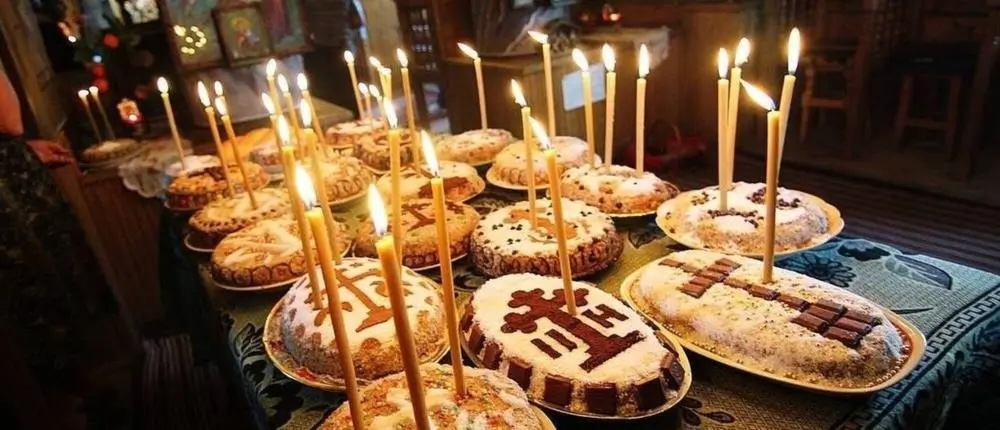
The Orthodox counterpart to All Souls’ Day is found in the various Soul Saturdays (Psychosabbata) celebrated throughout the year. The most widely observed occur before Meatfare Sunday and Pentecost. During these commemorations special memorial services are offered, the names of the departed are read, and kollyva is blessed as a symbol of resurrection.18
Halloween in Australia
Halloween’s Australian roots date back to the 19th-century gold rush. In October 1858, the Victorian gold town of Castlemaine hosted the nation’s first celebration: the Castlemaine Select Scottish Ball at the Red Hill Hotel.
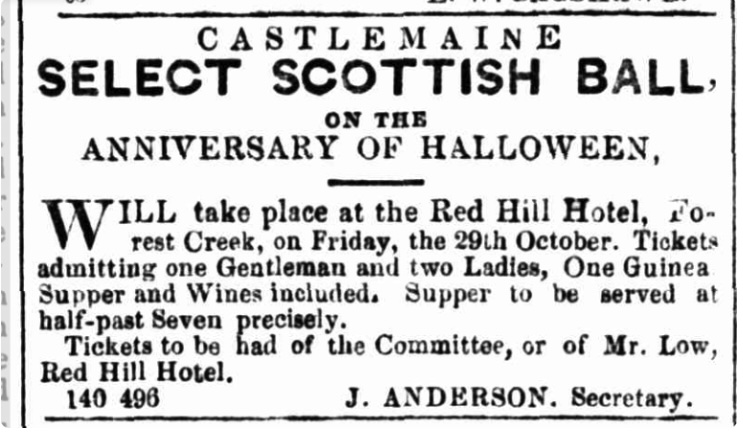
This set off a tradition of annual Scottish Halloween Balls across Australia. Venues came alive with iconic black-and-orange decorations—complete with ghosts, bats, and witches’ hats. Attendees dressed up in fancy attire or traditional kilts, enjoyed classic dishes like haggis, danced to energetic bagpipes, and listened to poetry readings of Robert Burns’ Hallowe’en and Tam O’Shanter.
Burns’ was a Free Mason and in his poem Hallowe’en he invoke Scottish folklore that focuses on focuses on folk-divination rituals (burning nuts, pulling kale), practices that marked the end of the harvest and the start of winter
Contemporary Halloween Emerges
Over time, these heritage gatherings gave way to the contemporary Halloween shaped mainly in the United States, where 18th- and 19th-century Scottish and Irish immigrants blended their ancient customs into the modern holiday.
- Nicholas Rogers, Halloween: From Pagan Ritual to Party Night (Oxford: Oxford University Press, 2002), 18-32. ↩︎
- Proinsias Mac Cana, Celtic Mythology (London: Hamlyn, 1970), 125-127 ↩︎
- Ronald Hutton, The Pagan Religions of the Ancient British Isles (Oxford: Blackwell, 1991), 178-181. ↩︎
- Thomas J. Talley, The Origins of the Liturgical Year, 2nd ed. (Collegeville, MN: Liturgical Press, 1991), 151-159 ↩︎
- Ronald Hutton, Stations of the Sun: A History of the Ritual Year in Britain (Oxford: Oxford University Press, 1996), 364-367. ↩︎
- OpCit pp.364-381 ↩︎
- https://catholicreview.org/the-history-behind-all-saints-and-all-souls-days/ ↩︎
- Jacques Le Goff, The Birth of Purgatory (Chicago: University of Chicago Press, 1984), 171-175 ↩︎
- Rogers, Halloween, 41-45 ↩︎
- Lisa Morton, Trick or Treat: A History of Halloween (London: Reaktion Books, 2012), 73-105 ↩︎
- Hutton, Stations of the Sun, 375-377 ↩︎
- Rogers, Halloween, 58-61 ↩︎
- Philippe Ariès, The Hour of Our Death (New York: Alfred A. Knopf, 1981), 125-145 ↩︎
- St Cyril of Jerusalem, Mystagogical Catechesis V.9-10, in Nicene and Post-Nicene Fathers, Second Series, vol. 7 ↩︎
- St John Chrysostom, Homily on Philippians 3.4 ↩︎
- Kallistos Ware, The Orthodox Church, revised ed. (London: Penguin, 1993), 255-260. ↩︎
- John Meyendorff, Byzantine Theology (New York: Fordham University Press, 1979), 196-199. ↩︎
- Alexander Schmemann, Great Lent (Crestwood, NY: St Vladimir’s Seminary Press, 1969), 15-18 ↩︎




Leave a Reply