Post war Coogee was a beautiful place to spend a childhood. Originally a favoured tourist destination, in the late Victorian era wealth brought a period of construction with some magnificent mansions, then from the 1920s an era of comfortable flat and apartment building.
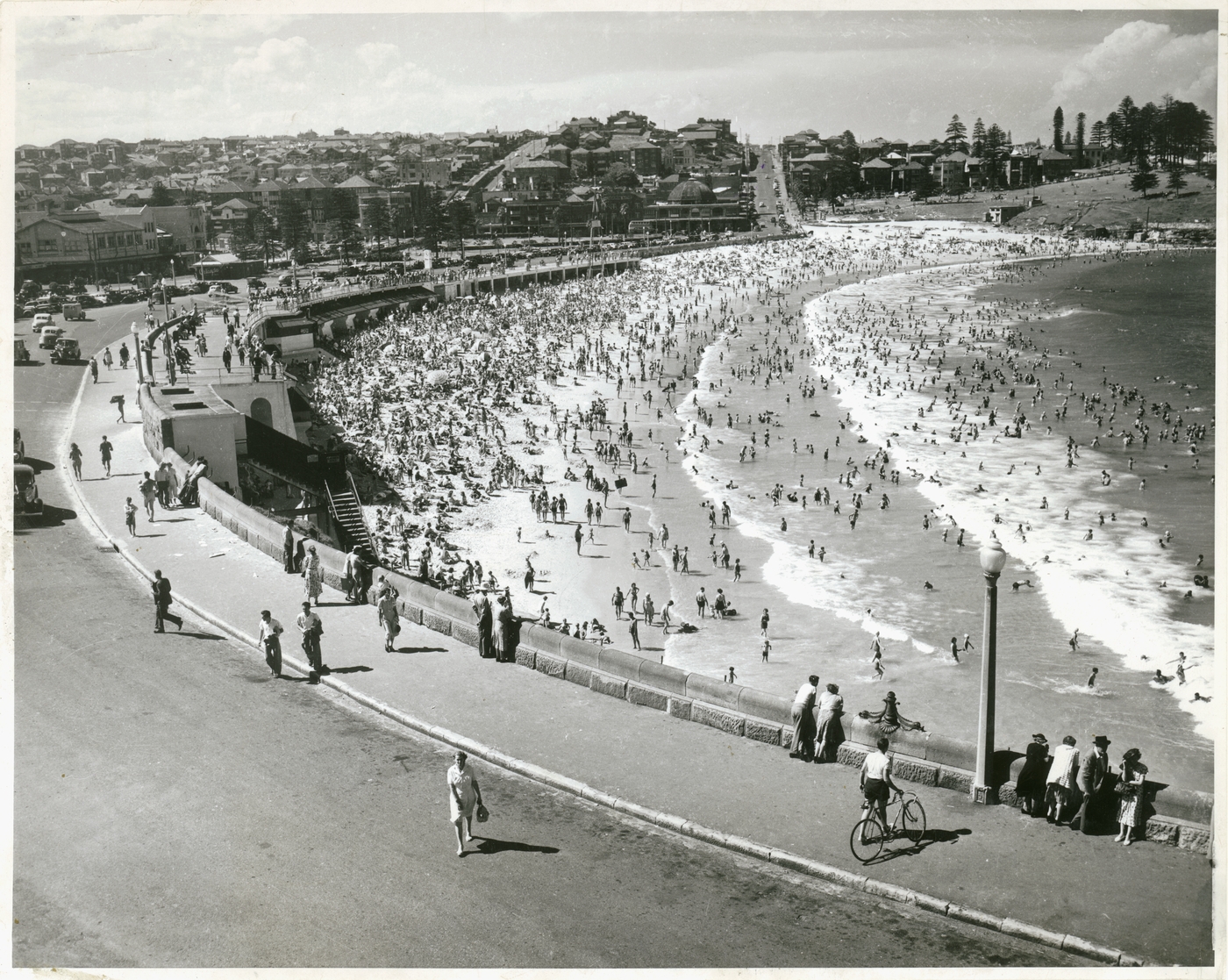
The Japanese torpedo and shell attack on Sydney Harbour from 31 May to 1 June 1942 provoked a flight of wealthy eastern Sydney residents to suburbs like Strathfield and perhaps as far West as Katoomba, Leura and Wentworth Falls. Many older mansions were subdivided, and the 1920s flats and apartments became the residences of working-class people from inner western Sydney.
At war’s end, a baby boom began transforming Coogee, then through the 1950s the suburb acquired a new social and cultural diversity. Cheap apartments and flats drew waves of migrants, many from Central and Southern Europe, yet its dominant culture expressed through beach life, club, pub, horse racing and rugby, remained a solid British Irish working-class mix.
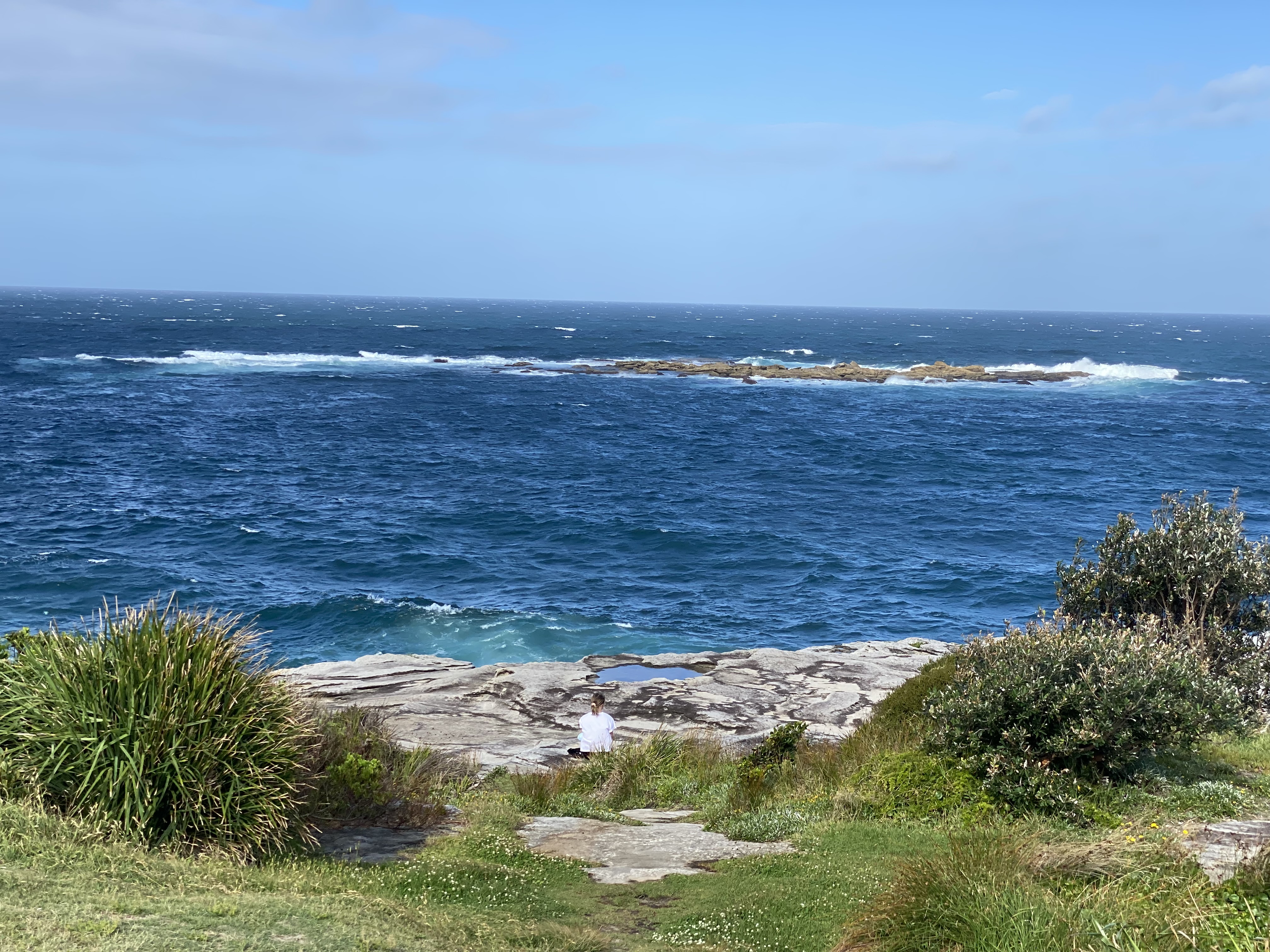
Coogee was an idyllic place for children. The ocean was vast and mostly benign behind the protective barrier of Wedding Cake Island. A rocky sandstone coastline, rolling foreshore parks and access to large private spaces surrounding the sumptuous mansions of another era enabled luxurious opportunities for play
Apart from surfing, fishing and Rugby, for me its most desirable feature was the clean air brough by prevailing North Easterlies in summer. While more westerly air streams in winter sometimes infused the atmosphere with a whiff of industrial odours more turbulent south westerly winds quickly cleared the industrial vapours.
Sydney was no environmental paradise. In those days cars burned leaded petrol quite inefficiently. When I was fortunate enough to be taken fishing at sea the photochemical smog hanging over Sydney was obvious. Coal power fired stations belched our hydrocarbons and fly ash from power stations in Bunnerong, Balmain, White Bay, Pyrmont and Darling Harbour, but life in Coogee relieved us of the worst of this. So, when I was forced to move to Glebe in 1967 it was a shock.
At first leaving Coogee and taking up residence with student friends in a Glebe terrace house seemed like a simple matter. Certainly I missed coastal life, something that would stay with me for many years, but it was not until I had been living in Burton Street, Glebe for a several weeks that I confronted another problem.
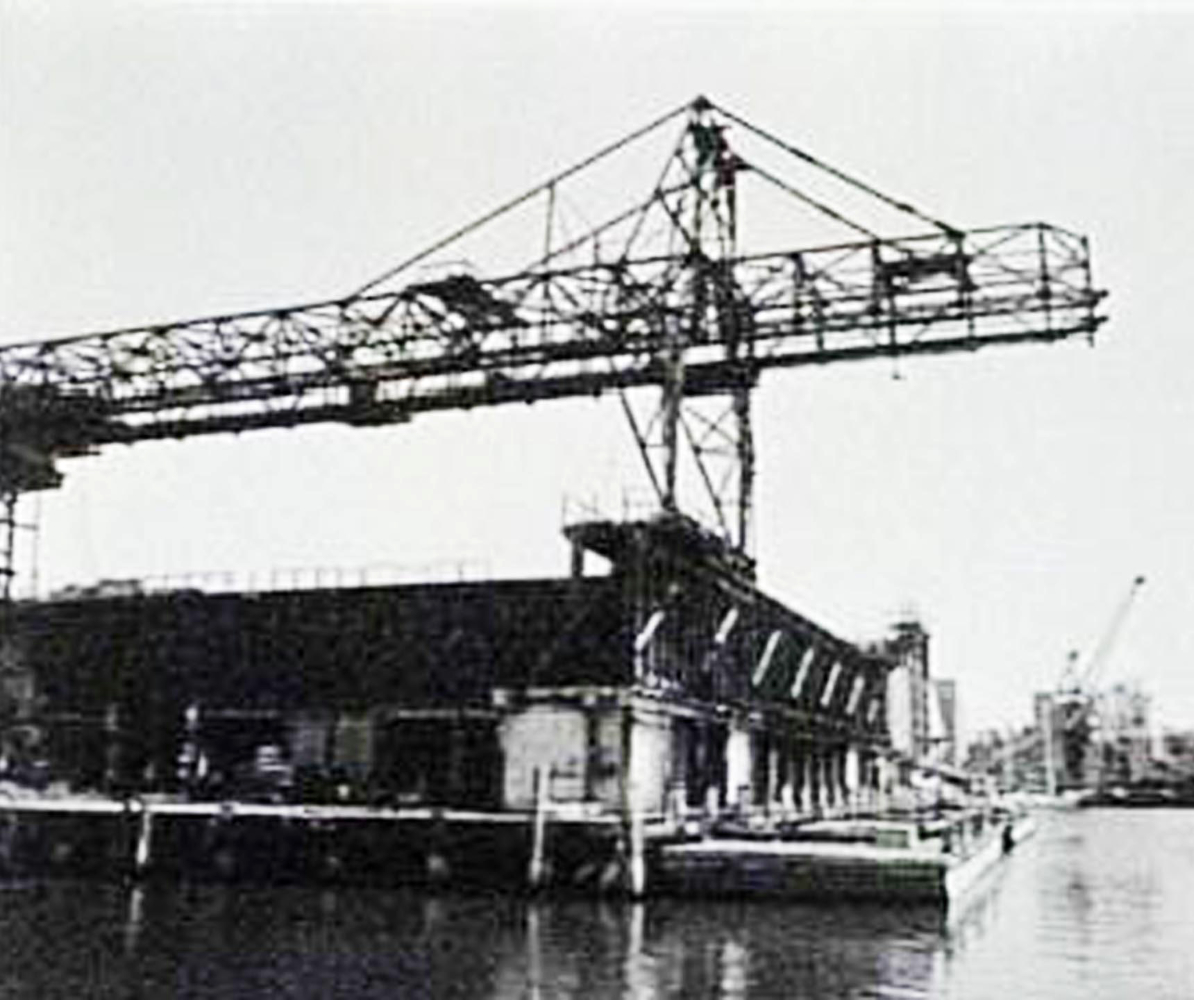
When I came home from Sydney University at the end of the day any notepads and sheets of paper left by the louvred windows of my front upstairs bedroom were covered with black dust. It didn’t take long to realise that this came from the coal loader several 100 metres away on the shore of Blackwater Bay.
Recently with the completion of the new fish market a rather unusual sculpture has taken form on the southeastern four court.
This jumble of gaudily painted steel members is what remains of the coal loader that once dominated the shoreline where the fish market now stands.
Why raise this now
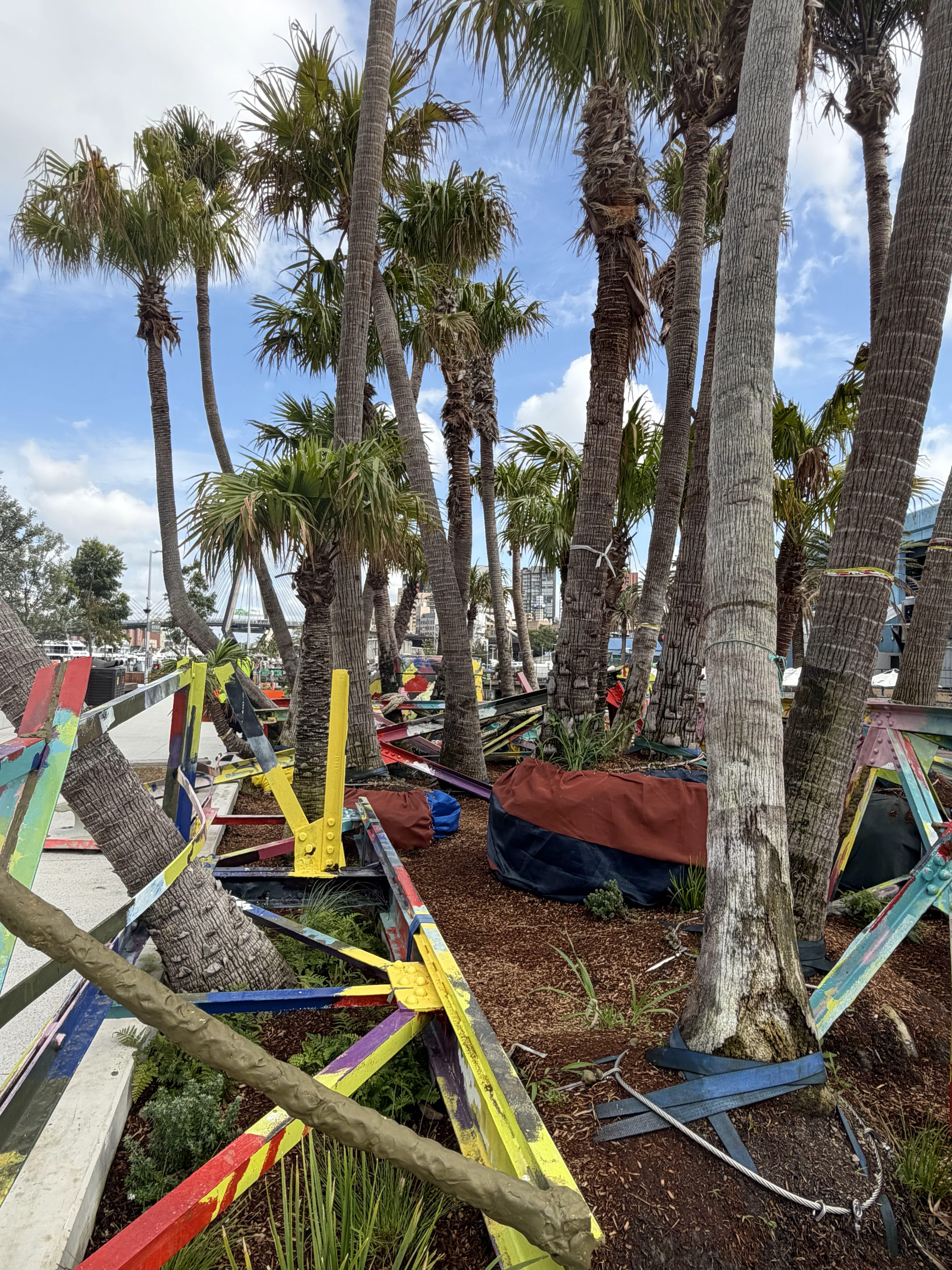
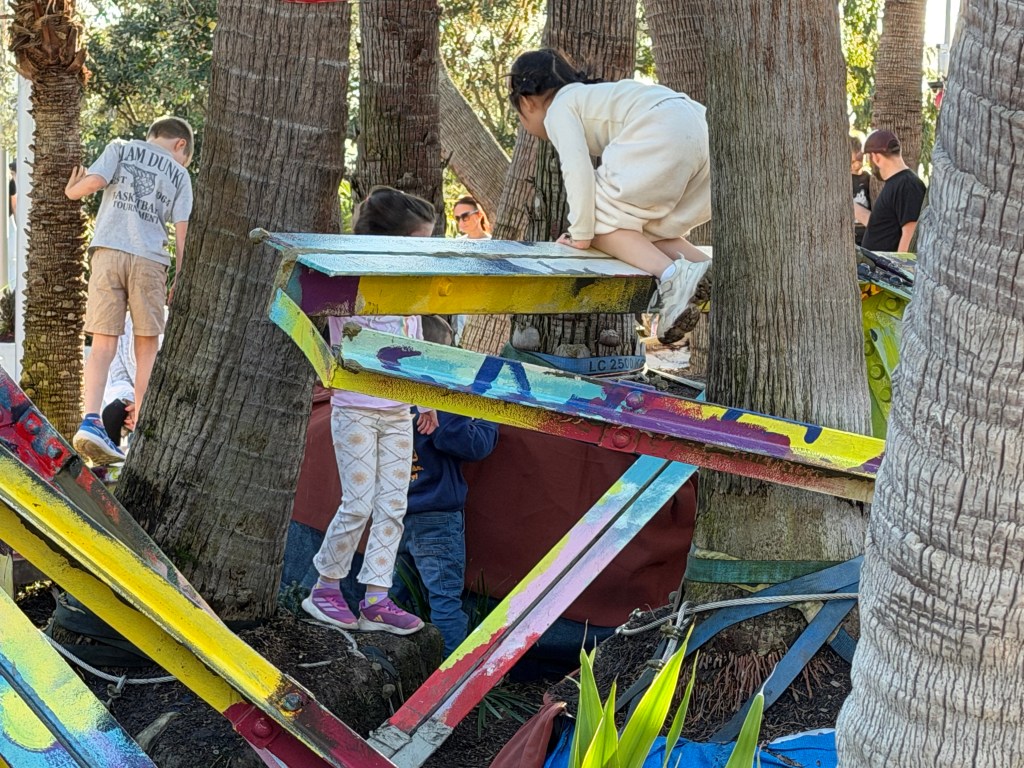
When I first saw this sculpture, fabricated from the superstructure of the old Blackwattle Bay coal loader, my first thought was that children would be drawn to and yet it’s hard edges and complex angles immediately conveyed a sense of ill ease. My duty of care as a former teacher, and parent, was aroused when I looked at it. This was not a safe place space for children.
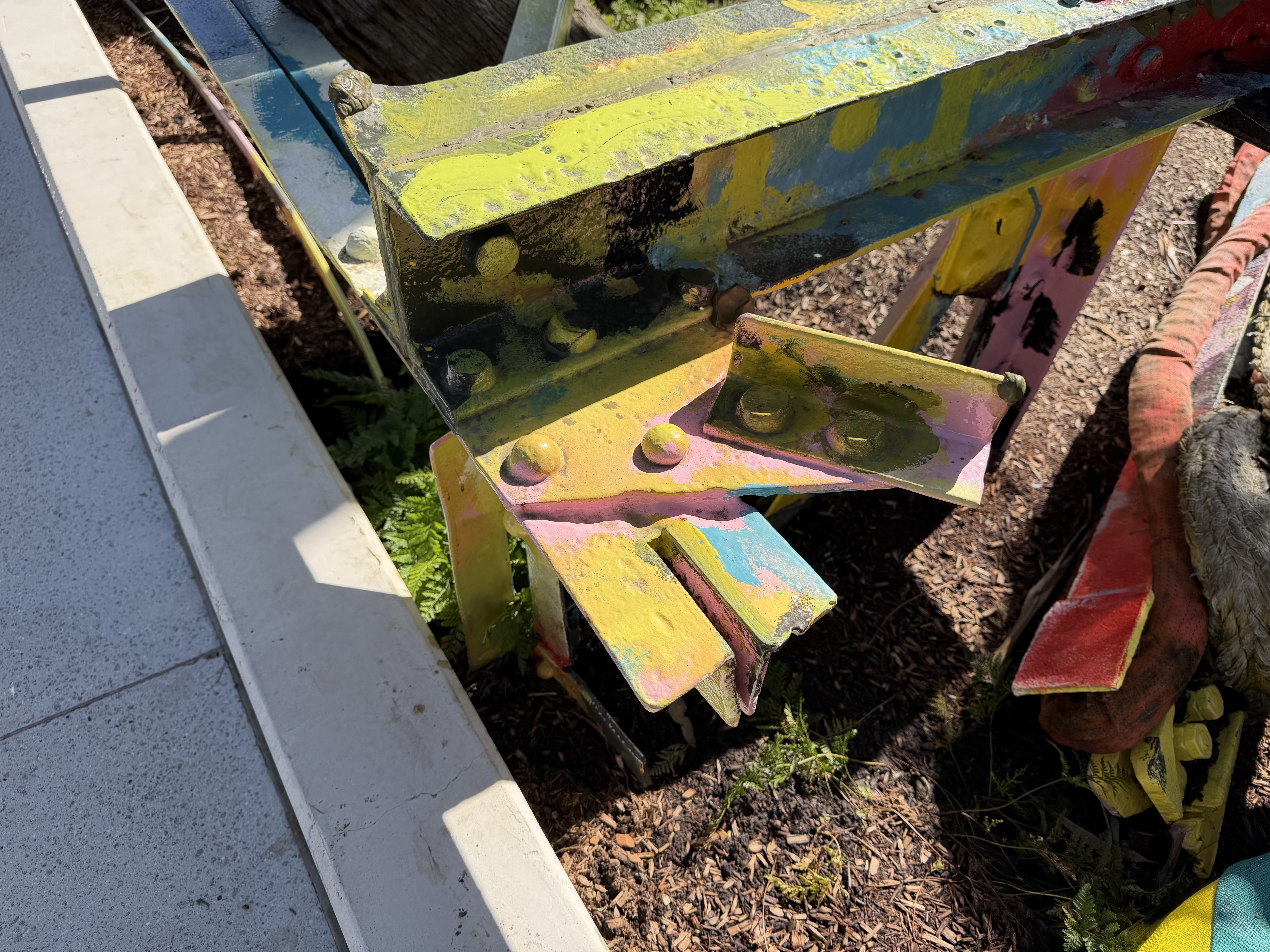
It wasn’t until the Kings Birthday weekend, 2026, that I actually saw a large number of children playing on the sculpture. It filled me with concern but there wasn’t wasn’t a lot I could do.
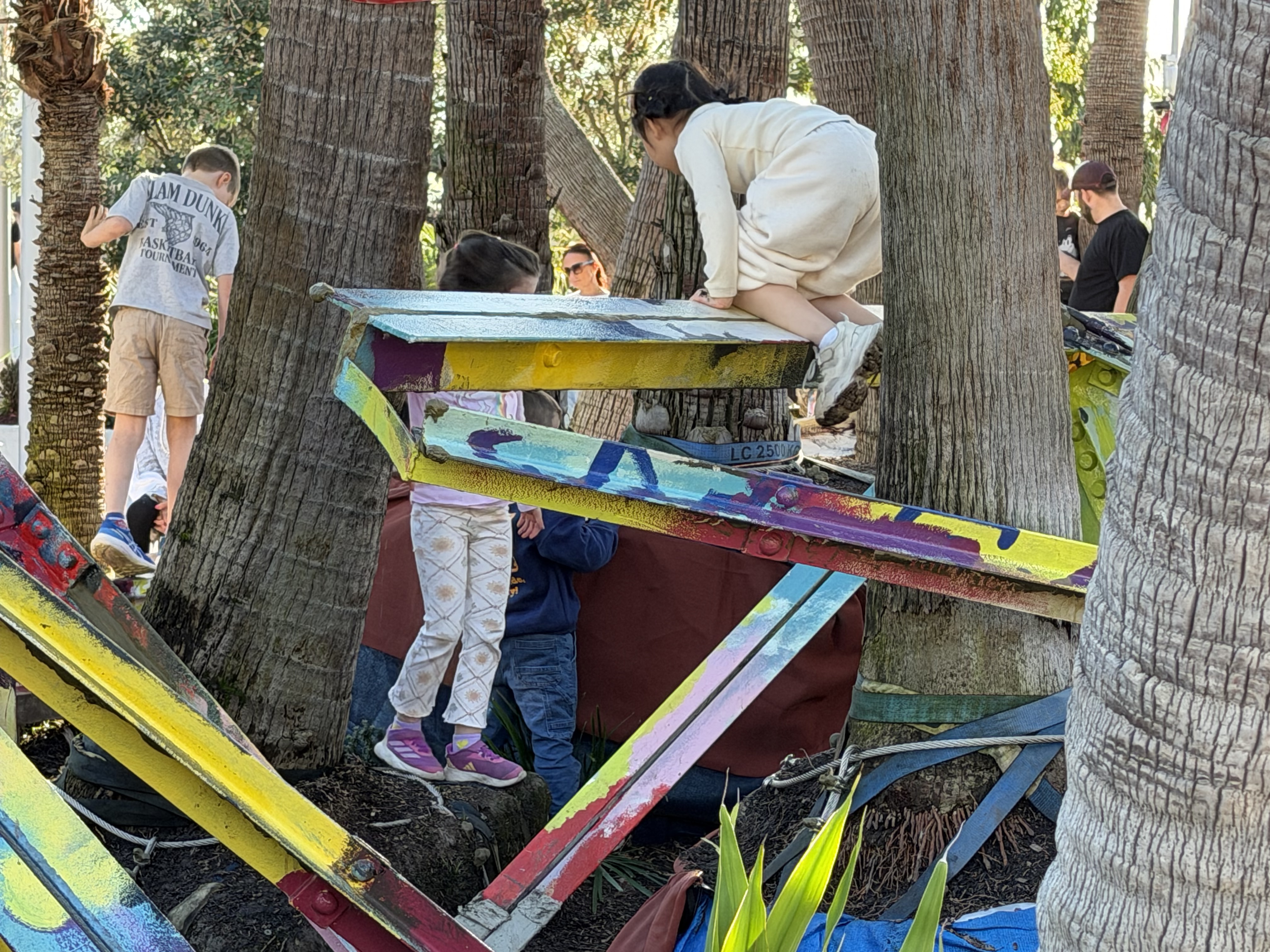
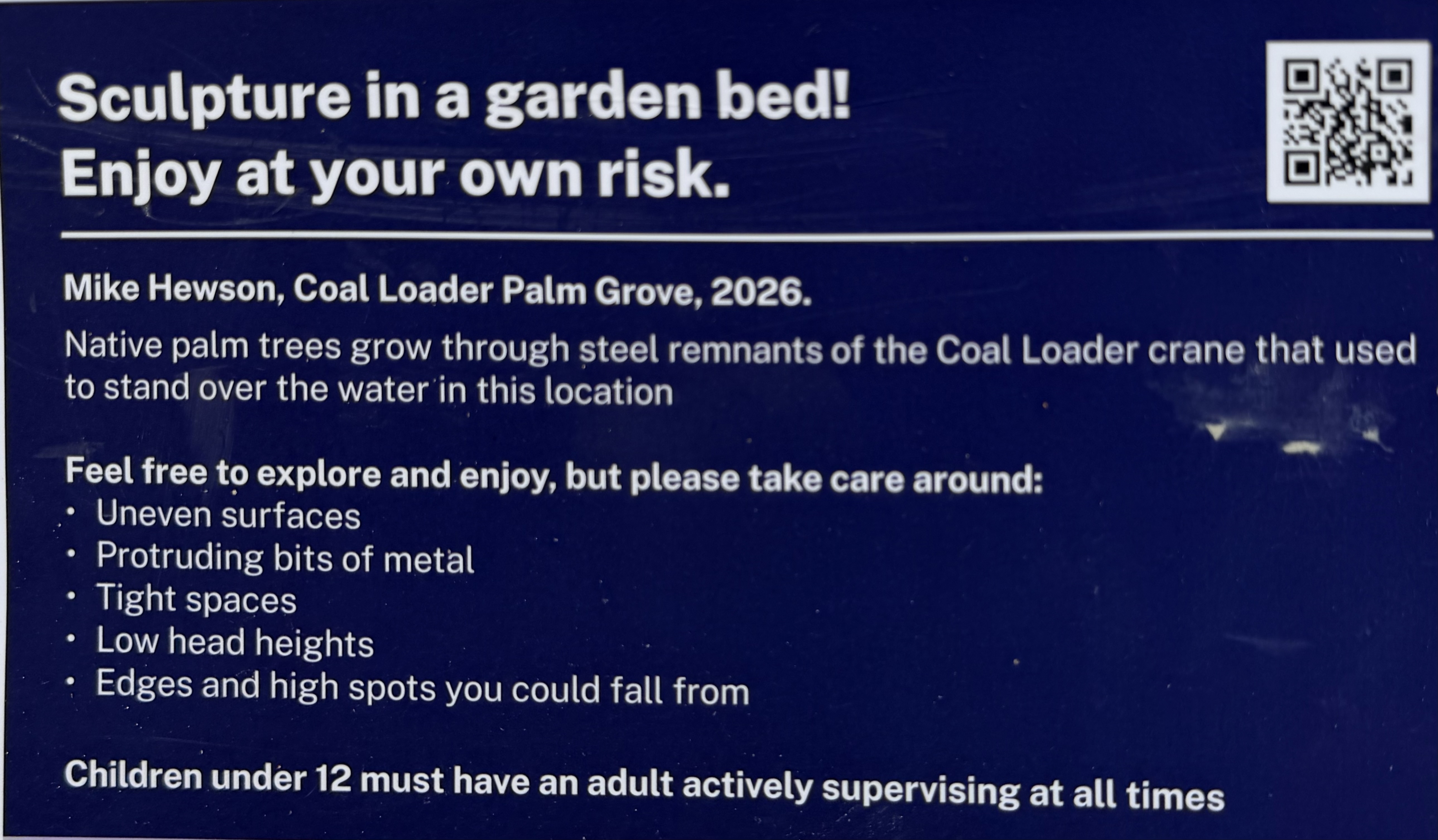
It is not an appropriate sculpture for this location despite the warning sign. There was no indication of parental supervision.





Leave a Reply