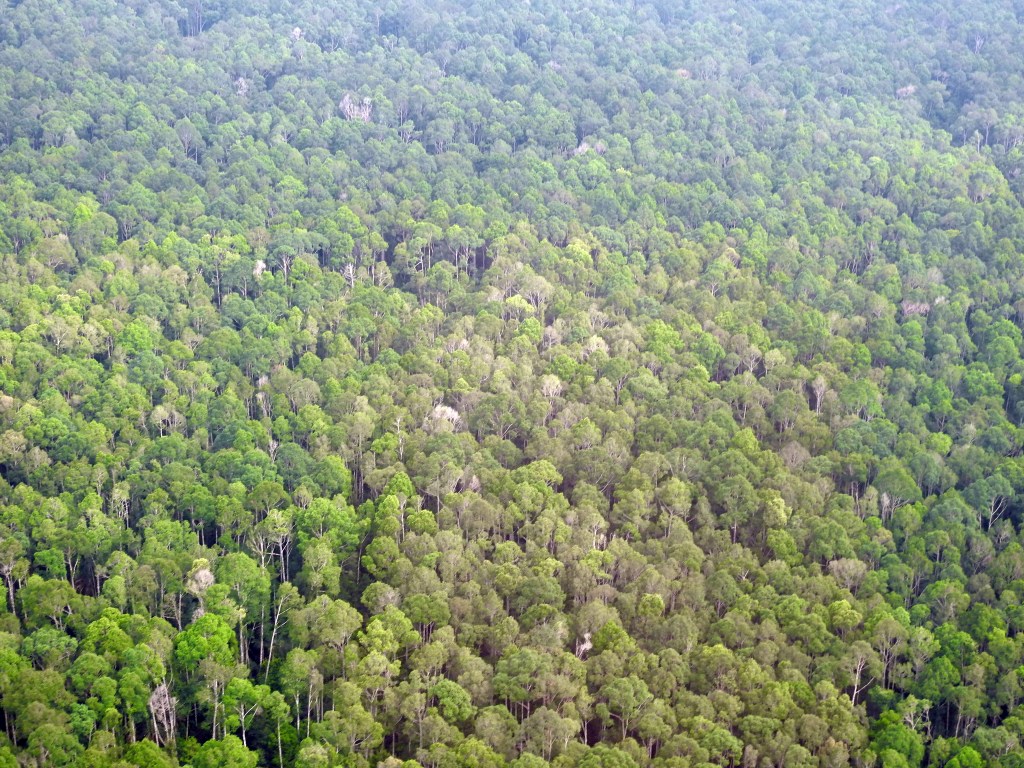
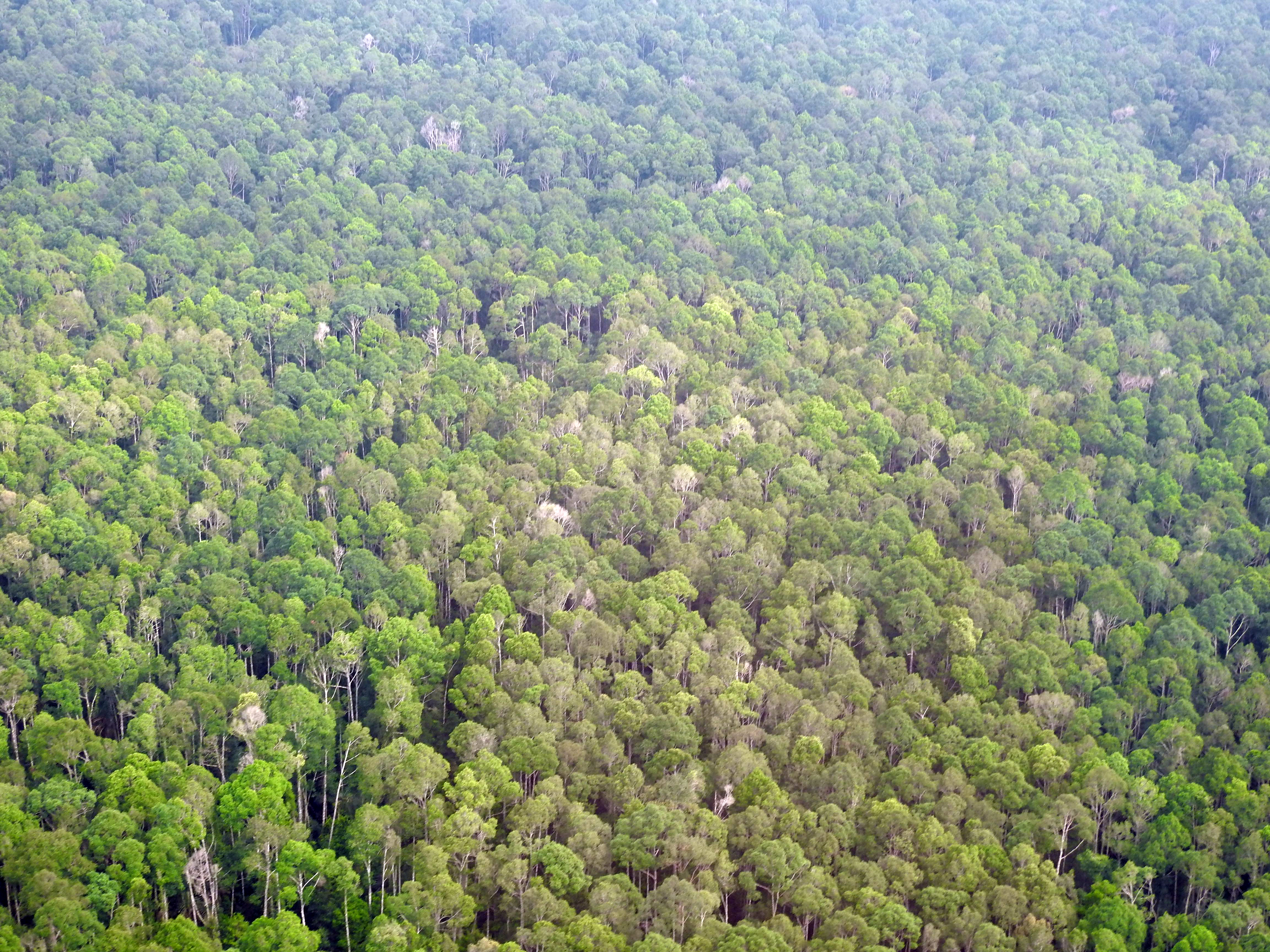
Discovering Indigenous Indonesia
Years ago, I visited eastern Kalimantan with a group from Tomaco Tours. Back then I was working in tandem with Garuda Orient Holidays, the wholesale travel arm of Garuda Indonesia, in Australia. While their brief was largely to provide mainstream tours to Bali, under the guidance of Barry Mayo, Garuda’s General Manager for Australia & New Zealand, they decided to broaden the travel offerings to include Soft Adventure tours of Indonesia.
Already operating Asian field Study Centres field experiences for students visiting Indonesia I was asked to travel into Kalimantan and Sumatra with two people from Tomaco Tours. The task was to research and build tours that might enable people to see both the natural environment and also the cultural diversity of Indonesia.
Our first research tour involved travelling up the Mahakam River in eastern Kalimantan. It was there I began to meet Indigenous Dayak people and learn a little about their unhappiness, engendered by the national government’s insistence on relocating them from their Lamin (long houses) to individual dwellings away from their land and equatorial rainforests so the logging industry could prosper.
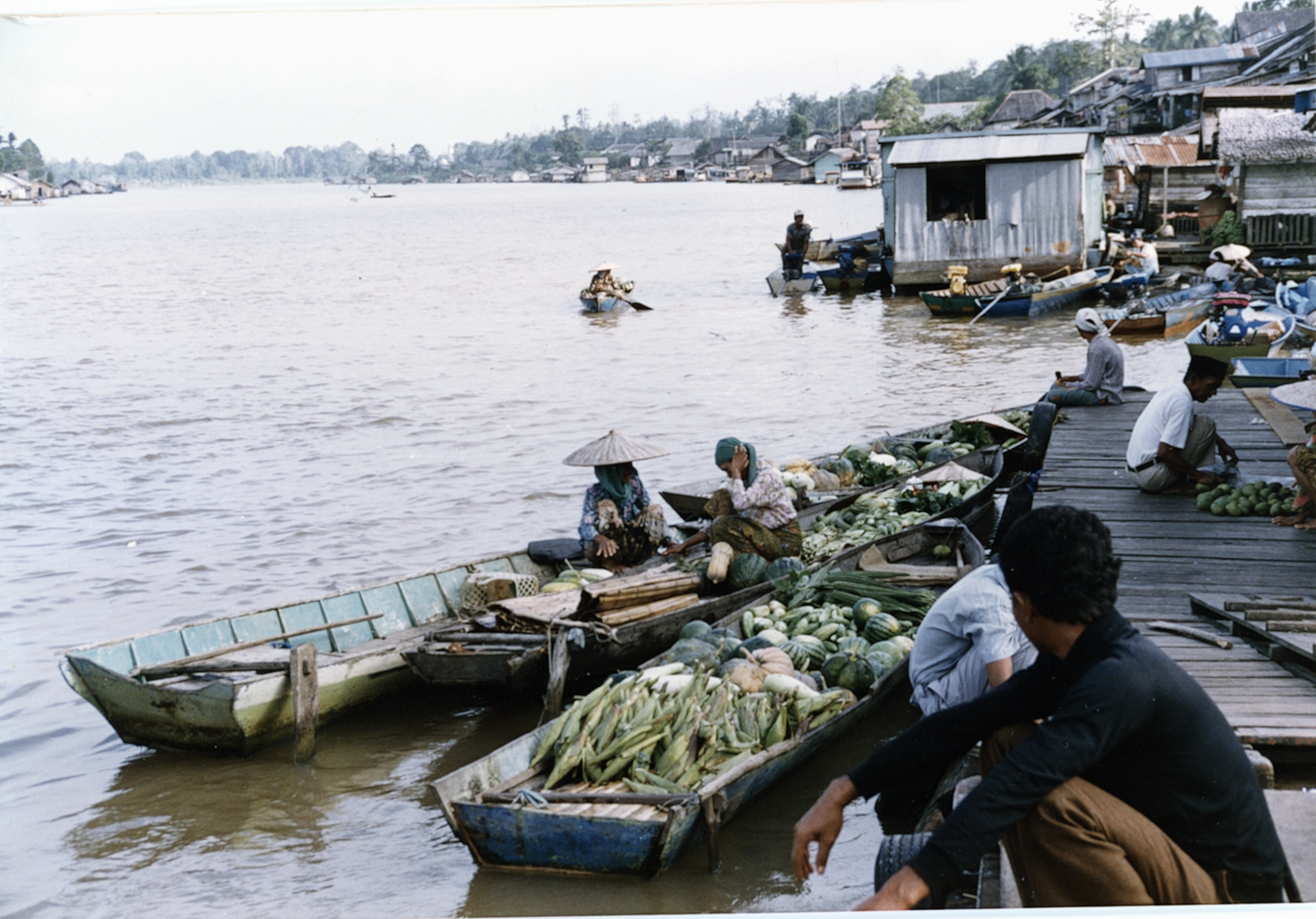
Prominent for me was the comment of one man in a swidden garden. He explained that when the forest was cleared the Dayak people could not teach their language to their children.
He said, “Our language is so directly connected with the forest and the environment we inhabit it can’t be passed on if our forest no longer exists.”
The Mentawai Islands
Shortly after this I also visited the Mentawai islands, off the coast from Padang, in West Sumatra.
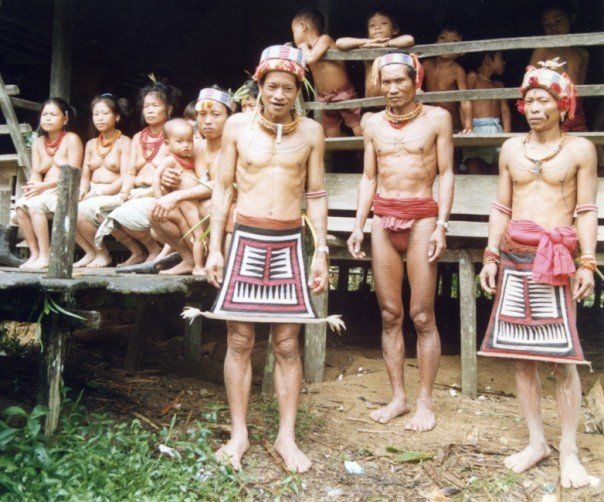
There I met indigenous people whose lifestyles were still largely intact but who were facing similar pressure to leave Uma ( traditional houses) and urbanise.
Also associated with this was pressure to assume one of the officially recognised religions in Indonesia. For the Dayaks this was not so difficult since many had already adopted a form of Christianity. In Mentawai Island settlements the pressure was to convert to Islam.
Citizenship in Indonesia is dependent on people adopting one of the official religions. Without citizenship people generally lack protection under the law.
Visiting Riau Province with PM Haze
With this understanding in the back of my mind, and while living in Singapore, I joined a tour organised by Tan Yi Han from the People’s Movement to Stop the Haze. We travelled to a location in the coastal part of Riau province Sumatra. Here extensive forest clearing had already taken place. Logging companies had also dug drainage canals in the coastal peatland environment so that they could plant acacia and eucalypt for wood pulp to manufacture paper. Fortunately, the national government had called a halt to this and allowed the local coastal Malay community to block the drainage canals, in an effort to re-wet the land so they might cultivate sago and regenerate some of the natural species as shade trees.
Fire had been a major problem in this coastal area, and I recall as we stood on the verge of a fire damaged area, a man on a step through Honda suddenly appeared, driving past our group. Across his lap was a small black pig. Surprised, as the Malay community was Muslim, I asked, “He has a pig, yet you are Muslims. How is this?”
Someone answered, “He’s one of the forest people. They don’t have a religion, and they just live in the forest.”
A moment of unexpected clarity dawned. My encounter in east Kalimantan, pointed to a much bigger problem. This led me to research the status of Indigenous people in Indonesia more deeply. The result was a novella.
A Forest Story
A Forest Story is a synthesis, informed by my reading of copious anthropological sources. The backgroun to A Forest Story is simple but the subject matter is more complex. It began as a collaboration with Aurélie Charmau. Our idea was to create a graphic novel as we wanted emerging generations to be familiar with the problems faced by Indonesia’s Indigenous people. This didn’t happen, instead I wrote a novella. Here is an over view of the novella.
The overview
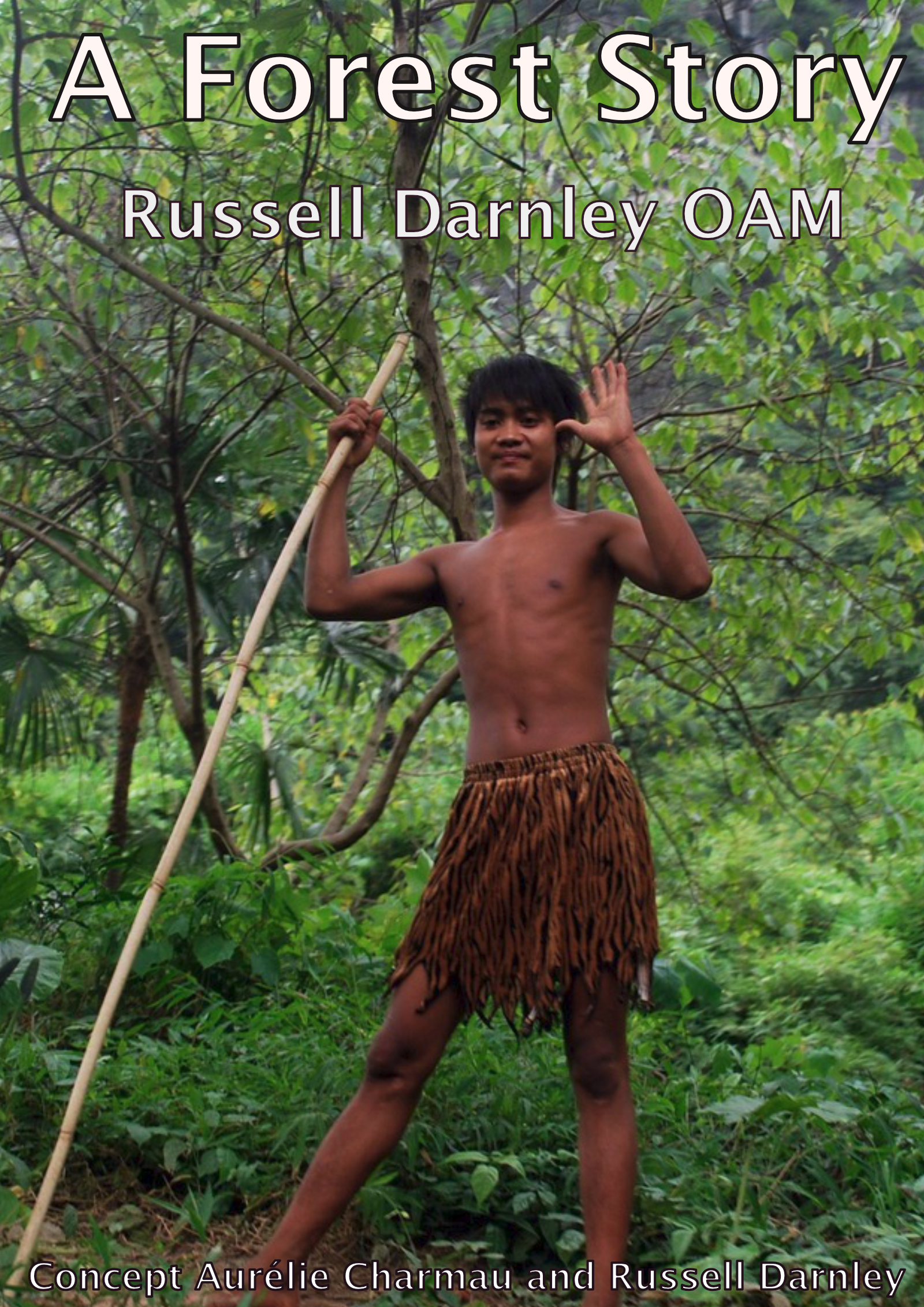
This is a work of fiction based on the lives of the Indigenous peoples of Sumatra.
Their lives, lands and environment are challenged by climate change and globalisation. Global demand for palm oil and wood pulp industries have driven forest clearing in their lands.
This work is not about any one group of Indigenous people, but the inspiration for the story is the Orang Rimba who traditionally draw their livelihoods from the rainforests in the provinces of Riau and Jambi.
The forest people speak an Austronesian language. When they speak together the text is plain. If they speak in their own language before others, who do not understand their language, their words are in italics. If they speak in the language of others their expression is limited.
The forest people live in a matriarchal society. This means women inherit rights to the land and forests.
Traditionally many of them traded some forest products with outsiders, in return goods like cloth. The increasing presence of outsiders is threatening their forests, health and way of life.
All the characters are fictional & any resemblance to people living, or dead is accidental.
This a story seeks to capture the struggles of the Indigenous people in Sumatra against the pressures of globalization, forest clearing and climate change.
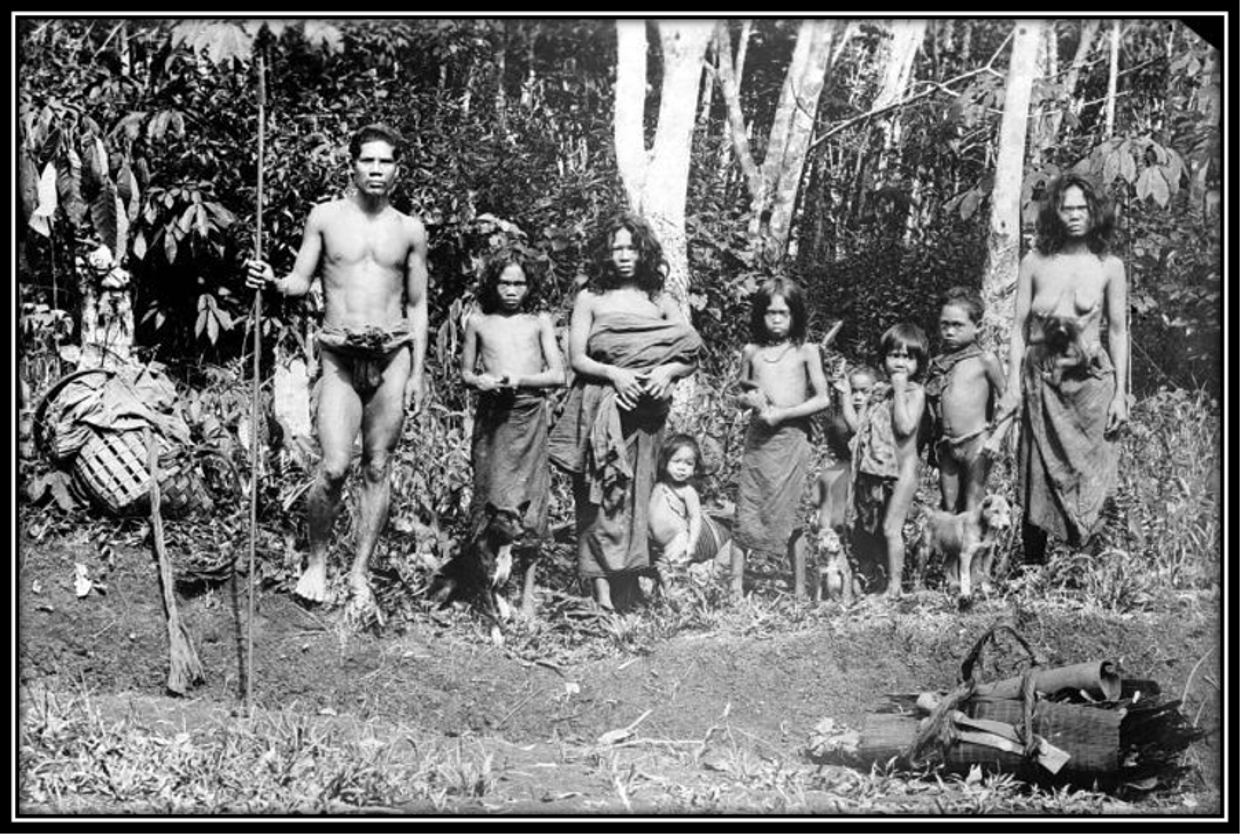
The The Indigenous Forest dwellers of Sumatra are described with a variety of terms.
Orang Rimba Also known as the “forest people,” they are a semi-nomadic tribe living in the forests of Jambi Province.
Suku Anak Dalam This semi-nomadic group resides in the forests of Jambi Province and has faced significant challenges due to deforestation and plantation expansion.
Pandumaan-Sipituhuta This community in North Sumatra has been involved in conflicts over land rights
Orang Kubu This term is also used. “Kubu” is a Malay exonym that can mean defensive fortification or a place of refuge. This name reflects how they use the forest as a means of resisting inclusion in the larger Malay social and Islamic religious.
In my experience, Indigenous Forest people in Sumatra have other names for themselves.
A Forest Story – Synopsis
This story follows Nusen, a young man from the Orang Rimba, a forest-dwelling community in Sumatra. Their traditional way of life, deeply connected to the rainforest, is threatened by outsiders who illegally log their trees, hunt their animals, and clear land for oil palm plantations, leading to devastating fires.
The Honey Harvest and the Fire
Nusen, skilled and eager to prove himself, participates in a honey harvest from a giant Sialang tree, a sacred tree to his people. In his matrilineal culture this act is also a form of bride service, as Nusen hopes to marry Bunga, a young woman from a neighbouring family. However, disaster strikes when outsiders set fire to the forest, separating Nusen from his family, causing chaos and destruction.
Nusen’s Capture and Escape
Fleeing from the fire Nusen encounters a Siamang, crated up and ready for the illegal wildlife trade. He frees the animal and is then pursued and kidnapped by illegal loggers, Banyu and Baskoro, who force him to work on an oil palm plantation. He witnesses the destruction of the forest and the suffering of animals, deepening his resolve to protect his home. With the help of Giba, the siamang he freed and then befriended, Nusen escapes the plantation and embarks on a journey back to his family.
Finding Bunga and Returning Home
Along the way, Nusen encounters a mysterious old woman who guides him and helps him find Bunga, who was also separated from her family during the fire. Together, they return to their community, where they find their families struggling to cope with the aftermath of the fire.
Fighting for Justice and Protecting the Forest
As an older child Nusen attended the Forest School. This provided him with fluency in the Indonesian language and some basic knowledge of Indonesian law and government. Coupled with his his strong connection to the forest he nis able to takes on the role of a leader, liaising between his people and government. He organizes a meeting with the head of a nearby village, and other authorities, to address the illegal logging and fires. With the help of Arief, a disaster management official, and Henri, a park ranger, Nusen exposes the culprits behind the fire and seeks justice for his people.
Trade and Sustainability
Nusen negotiates a sustainable trade agreement with Banyu and Baskoro, who come to see the error of their ways. By this means his people can ensure that the forest resources are harvested responsibly and that they receive fair compensation. He understands the importance of balancing tradition with the need to adapt to the changing world.
A Wider Struggle
Nusen realizes that the fight to protect his forest extends beyond his local community. He learns about the global impact of deforestation and climate change and joins forces with other indigenous people to advocate for their rights and the preservation of their forests.
Themes
Environmentalism The story highlights the importance of protecting the rainforest and the devastating consequences of deforestation and climate change.
Indigenous Rights It emphasizes the rights of indigenous people to their land andtheir traditional way of life.
Justice Nusen’s journey is a fight for justice against those who exploit the forestand harm his people.
Leadership Nusen emerges as a leader, bridging the gap between his communityand the outside world.
Sustainability The story promotes sustainable practices and responsible trade.
Some Key Characters
Nusen A brave and intelligent young man who fights to protect his forest and his people.
Bunga Nusen’s love interest, a strong and resilient young woman.
Giba A siamang who befriends Nusen and helps him escape.
Arief A disaster management official who supports Nusen’s cause.
Henri A park ranger who works to protect the forest.
Glossary of Terms
Adat The traditional customs and laws passed down through generations.
Aloe vera A plant with healing properties, used to treat burns and skin irritations.
AMAN (Aliansi Masyarakat Adat Nusantara) The Alliance of Indigenous Peoples of the Archipelago, an organization that advocates for the rights of indigenous communities in Indonesia.
Austronesian language A family of languages spoken across Southeast Asia and the Pacific, including the language of the Orang Rimba.
Balian A traditional healer or shaman, who has knowledge of medicinal plants and spiritual practices.
Barking deer A small deer species found in Southeast Asian forests, known for its distinctive bark-like call.
Bepok A title used before a father’s name in Orang Rimba culture, indicating respect and acknowledging his role as a parent. (e.g., Bepok Kemala is Kemala’s father).
Bride service A tradition where a young man works for his prospective bride’s family to demonstrate his worth and commitment.
Cauliflory A botanical term for plants that produce flowers directly on their trunks or main branches, like the flowering forest giant in the story.
Child Ghost A spirit in Orang Rimba folklore, believed to be the ghost of a grieving mother who lost her child.
Customary forest Forests traditionally managed and used by indigenous communities, recognized by Indonesian law.
Dipterocarp A family of tall rainforest trees that often dominate the canopy, known for their valuable timber.
Durian A large, spiky fruit with a pungent odor and creamy flesh, prized in Southeast Asia.
Gaharu (Agarwood) A fragrant dark resinous wood used in perfumes, incense, and traditional medicine.
Hornbill A large bird with a prominent casque (horn-like structure) on its beak, often considered a symbol of good luck in Orang Rimba culture.
Indok A title used before a mother’s name in Orang Rimba culture, similar to Bepok for fathers.
Ironwood tree A type of tree known for its extremely hard and durable wood.
Jackfruit A large, bumpy fruit with a sweet, juicy flesh, commonly grown in Southeast Asia.
Jernang (Dragon’s blood) A red resin obtained from a type of rattan palm, used in traditional medicine, dyes, and varnishes.
Jungle school A school established in the forest to provide education to Orang Rimba children.
Kayu Kawon The tallest tree in the rainforest, often a Sialang tree.
King Cobra A highly venomous snake found in Southeast Asian forests, known for its impressive size and deadly bite.
Liana A woody vine that climbs up trees in the rainforest.
Machete A large, heavy knife used for cutting vegetation.
Meranti tree A type of dipterocarp tree known for its valuable timber.
Microfinance Small loans and financial services provided to individuals and small businesses, often in developing countries.
Mouse deer A small, hoofed mammal that resembles a deer but is more closely related to chevrotains.
National Park A protected area of natural beauty and biodiversity, managed by the government.
Nenek-nenek Moyang The “Great Mother” or ancestor spirit in Orang Rimba beliefs, representing the origin of their people and their connection to the forest.
Oil palm plantation A large-scale agricultural operation where oil palm trees are grown to produce palm oil, a common ingredient in food and consumer products.
Omnibus Law A law that covers a wide range of topics and often aims to simplify regulations but can sometimes have unintended consequences.
Orangutan A large ape native to the rainforests of Borneo and Sumatra, known for its intelligence and reddish-brown fur.
Orang Rimba “People of the Forest,” an indigenous group in Sumatra who traditionally live in the rainforest.
Pandanus A tropical plant with long, spiky leaves, used for weaving mats and baskets.
Peatland A type of wetland with a thick layer of partially decayed plant matter (peat), which can be prone to fires.
Python A large, non-venomous snake that constricts its prey.
Rafflesia A parasitic plant with giant, foul-smelling flowers, known for its unique odour of rotting flesh.
Rattan A type of climbing palm with strong, flexible stems, used for making furniture and baskets.
REDD+ (Reducing Emissions from Deforestation and Forest Degradation) An international initiative to reduce greenhouse gas emissions by protecting forests.
Resin A sticky substance produced by some trees, often used in varnishes, adhesives, and incense.
Sarong A long piece of cloth worn wrapped around the body, like a skirt or dress.
Satellite dish A dish-shaped antenna that receives signals from satellites, used for television and internet access.
Siamang A type of gibbon with black fur and a distinctive throat sac, known for its loud calls.
Sialang A tall emergent tree in the rainforest, often used by bees for nesting and honey production, considered sacred by the Orang Rimba.
Silent trade A traditional form of trade where goods are exchanged without direct contact between the trading parties.
Speculator A person who buys and sells land or resources, often with the hope of making a profit from future price increases.
Subon A sacred swampy area in Orang Rimba beliefs, where hunting is forbidden.
Sultanate A historical political entity ruled by a Sultan, often associated with trade and cultural influence.
Sun bear A small bear species found in Southeast Asia, known for its short, black fur and a distinctive chest patch.
Sustainable Using resources in a way that meets the needs of the present without compromising the ability of future generations to meet their own needs.
Trepang (Sea cucumber) A marine animal with a leathery skin and an elongated body, considered a delicacy in some cultures.
Warung A small shop or stall selling food, drinks, and other basic goods.



 Maximos' Blog

Leave a comment