
A 20th Century Beginning
“The earliest substantial work in the field of artificial intelligence was done in the mid-20th century by the British logician and computer pioneer Alan Mathison Turing.”[1]
In 1950 he created practical test now known simply as the Turing test. It involved three participants, one a computer. The point was for the two human contestants to try and identify the computer by asking question that could be “as penetrating and wide-ranging as necessary, and the computer [was] permitted to do everything possible to force a wrong identification.”[2] If the computer could not be identified it was considered “an intelligent, thinking entity.”[3]
This year a book by Emily M Bender and Alex Hanna has been published with the title The AI Con: How to Fight Big Tech’s Hype and Create the Future We Want. It is available through the Guardian Bookshop and where I am Gleebooks in Glebe, (61 2 9660 2333) Sydney has it for a better price.
Misuse of the term AI
AI has become a marketing buzz word, a way of gaining a market advantage by suggesting a particular product is more advanced than it is.
Before I engage in a critique of AI, I’d like to write about the way I’ve been using it in the process I referenced in Part 1 of this post.
Copilot’s Graphical Function
Another task I gave to copilot was to present it with a series of black and white images. First, I uploaded this image of a Kookaburra image from Geografi Australia. I’d commissioned an artist to create the black and white drawing back in the 1990s because I considered it a useful way to highlight the distinct structural features of the Kookaburra.
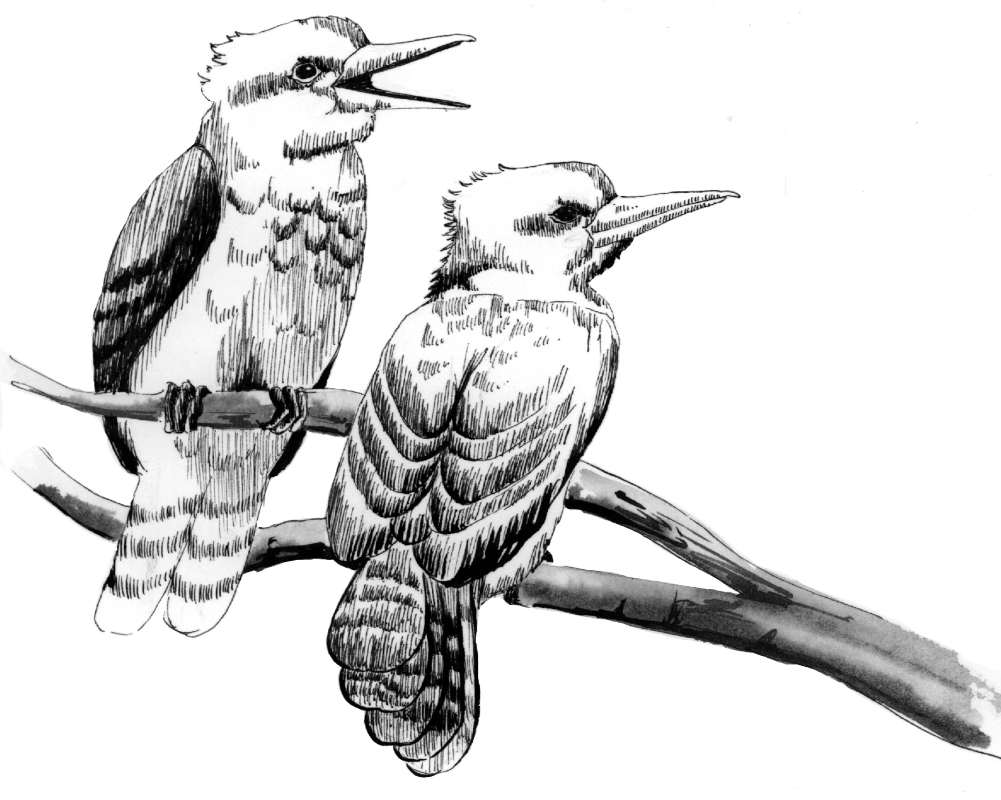
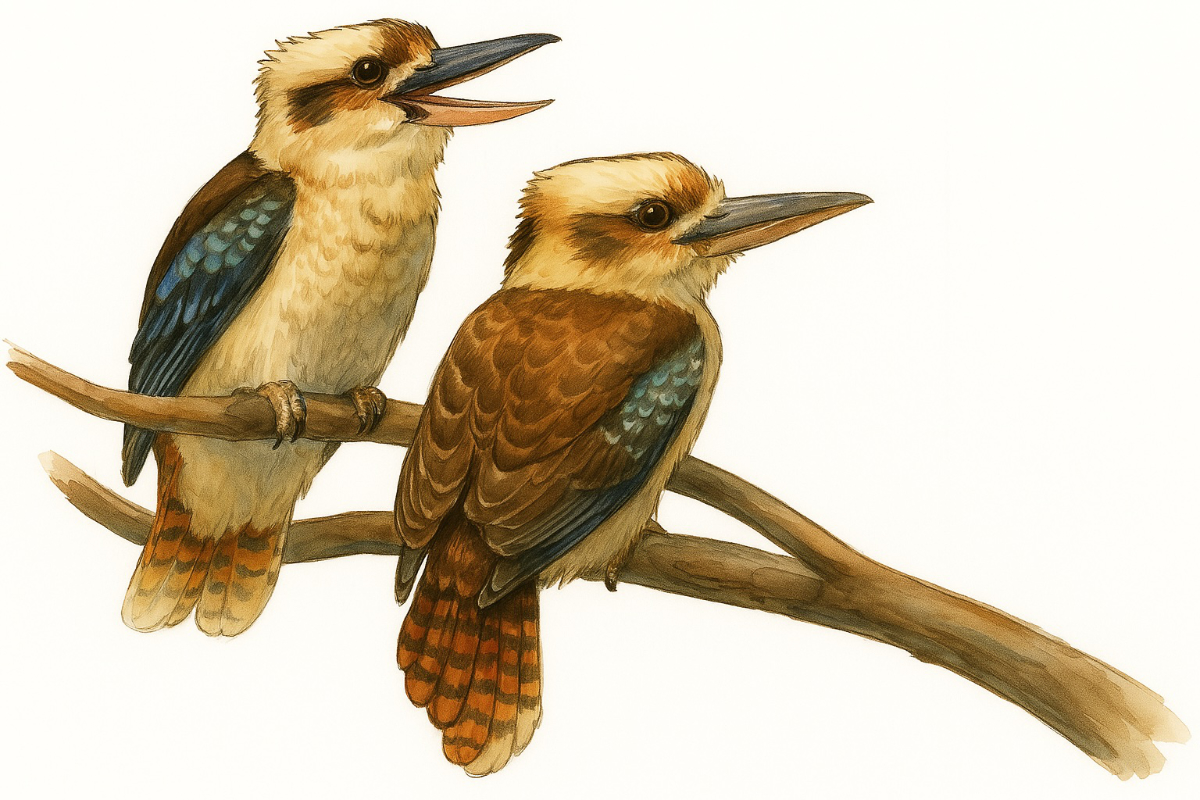
I was happy with the result, so next I tried Dairy Cattle
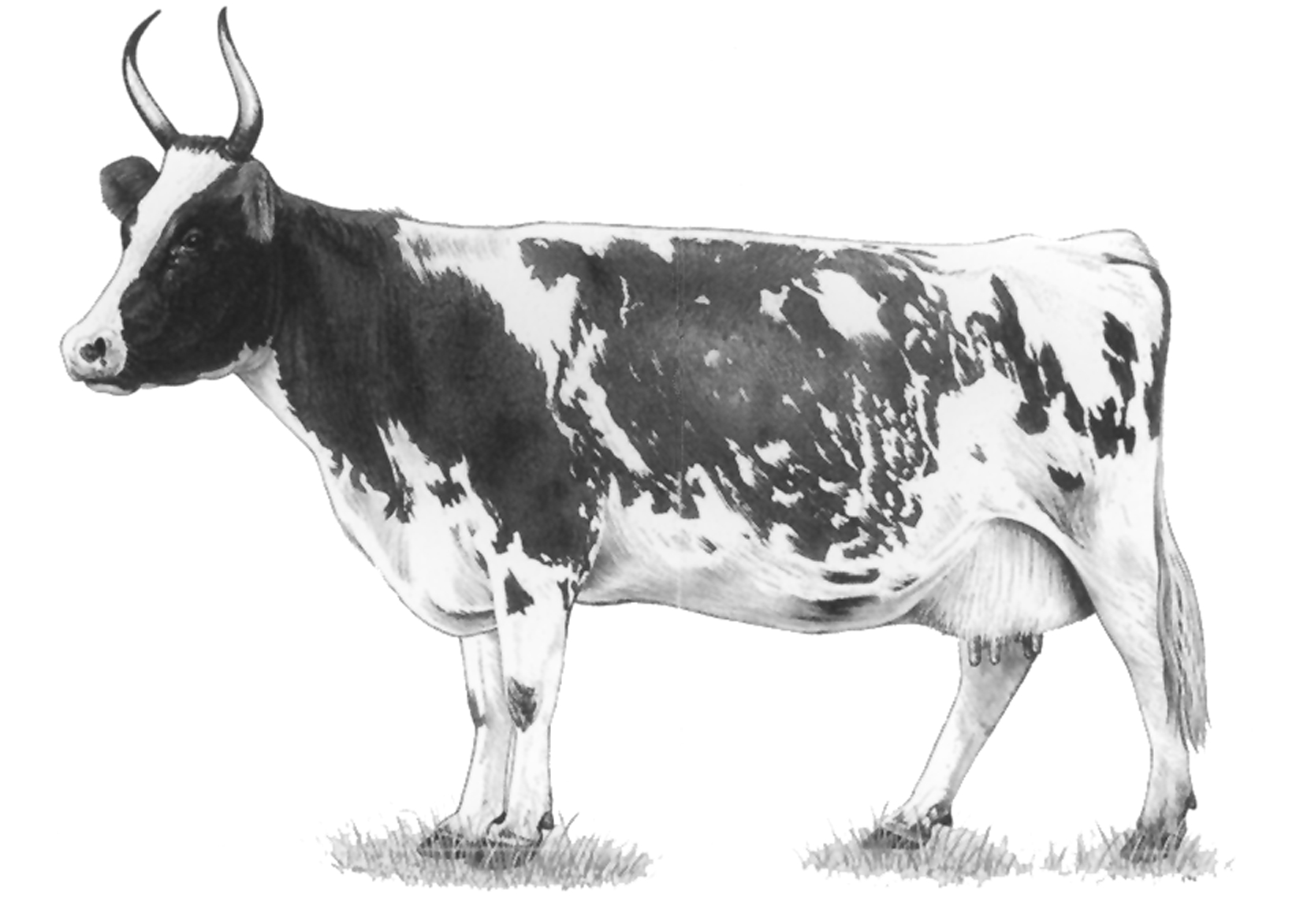
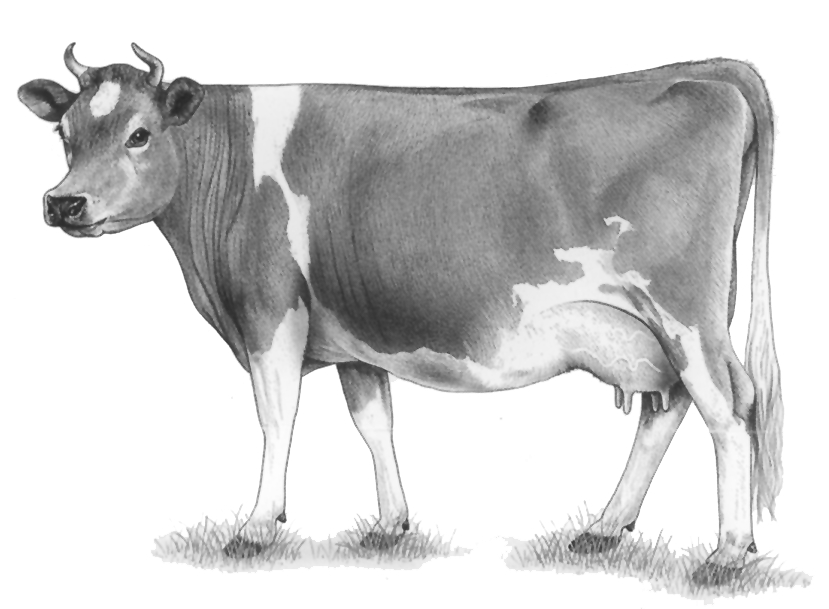
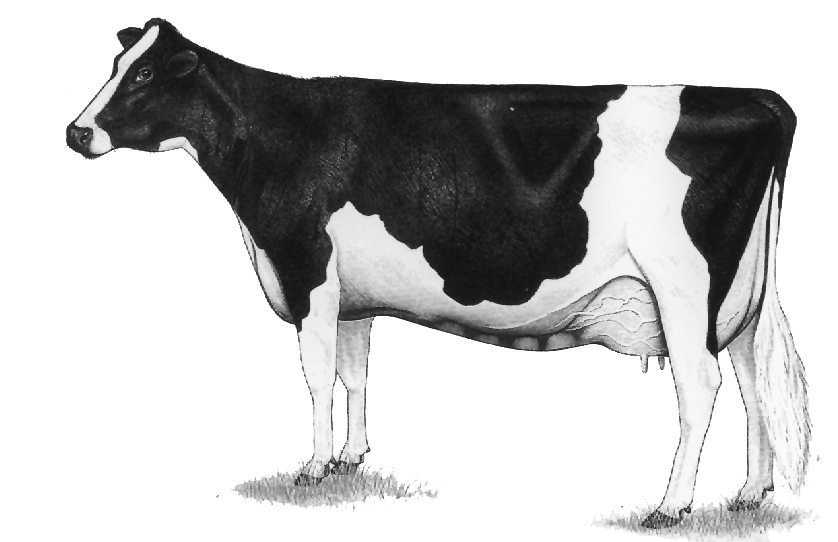
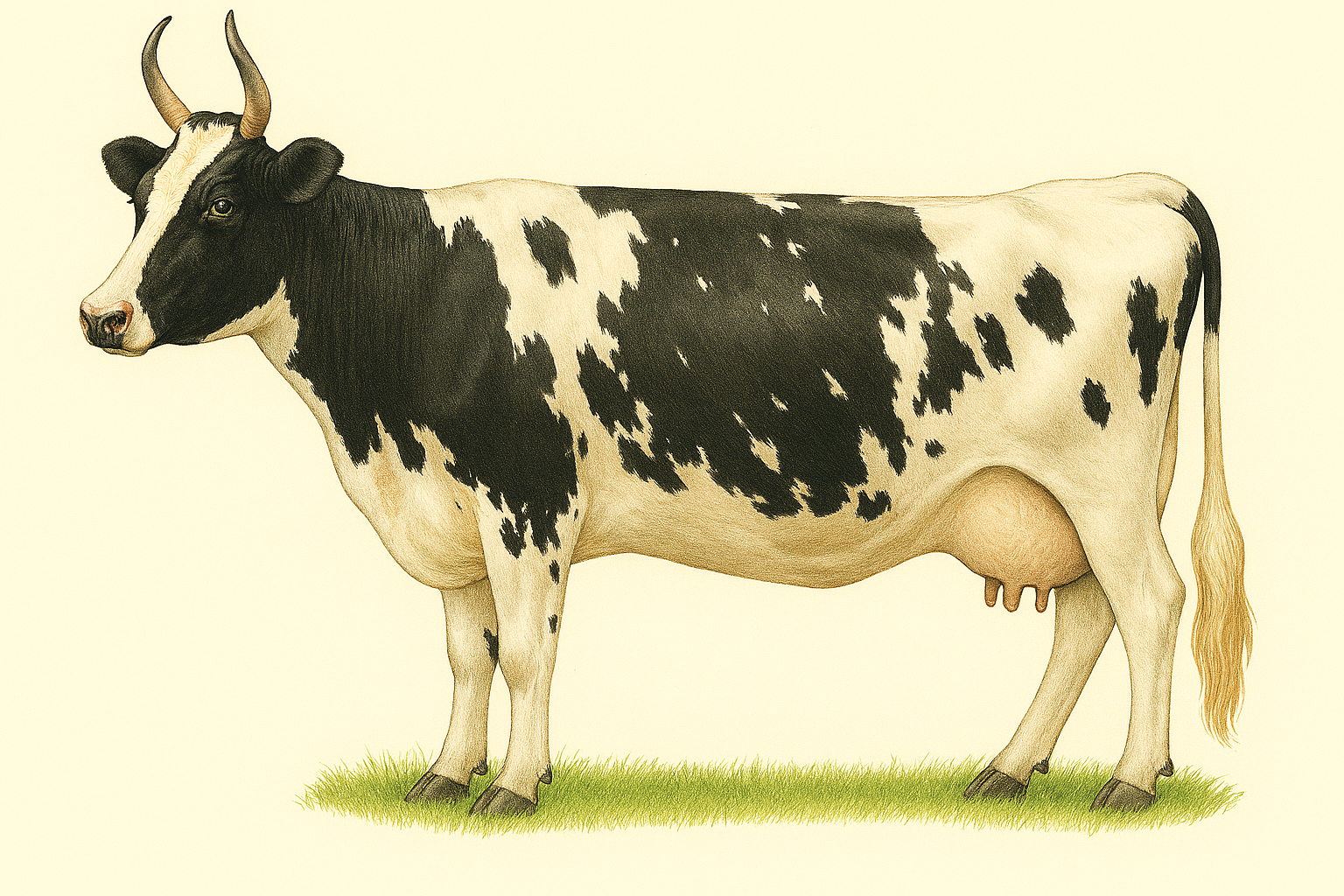


Notice that Copilot can recognise that there are slight colour and pattern variations between different Holstein Friesian cows. At first I thought Copilot had simply made a mistake, but a quick check reveal that there was significant pattern variations between animals. Of course this is a departure from simple colourisation.
Sometimes it is necessary to persist with Copilot. I gave it this relatively unclear image.
Here is an image of products that have come from materials mined in Australia. It dates from 30 years ago. I require two things:
1. Up date the items manufactured from Australian minerals so the images shows the array of products we can expect to see in 2025.
2. Colourise the image.
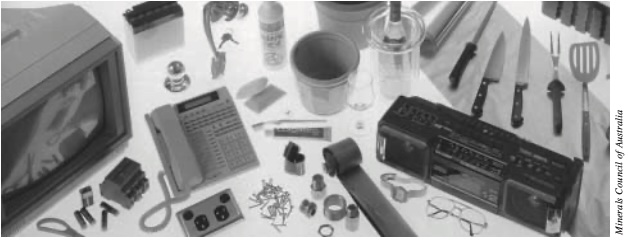
Superficially Copilot produced the type of image I wanted. It’s well coloured so all of the objects are clearly discerned, but this is as far as it goes. There are numerous errors in the image. How many can you identify?
Please post them in the comments section
Working with Gemini
Gemini is a useful tool on the Google platform for updating my existing material. For example, I updated information on the Australian population in the book Geografi Australia. The closest data I found was from 2024, and it provided that quickly and accurately. I appreciate that it includes links to its sources. Instead of using Gemini’s text directly, which could be plagiarism, I use it as a framework, explore its references for more information, and then create my own text.
For me, the takeaway from this is that it should only be used as a forward organiser, not as a final product. Having said this, I must acknowledge that I’m at an advantage because I was educated at a time when producing a paper often required two weeks’ work in a library and a pad full of notes, quotes, and references. For Gemini, it is a shortcut; it speeds up the process but doesn’t stand in place of my own work.
“The AI Con – unpacking the artificial intelligence hype”
Last week, on 2 September I caught the ABC Radio National The Conversation program. It was a fortuitous accident.
Introduced by Natasha Mitchell, the program was a recording of Big Ideas with Emily M Bender recorded at RMIT University in partnership with Readings Books on 1 July 2025.
Emily is Professor of Linguistics and Adjunct Professor in the School of Computer Science and the Information School at the University of Washington, and Co-author (with Alex Hanna), of The AI Con: How to Fight Big Tech’s Hype and Create the Future We Want
Members of the panel that joined the discussion were
Kobi Leins (host)
Tracey Spicer
Paula Bray
Lucy Hayward , and
Ally Burnham
It was a comprehensive discussion that it provoked me to write about AI, particularly since I’d been using it. Listen to the program here.
Capturing the presentation
Concluding this post I offer a few words about using MS Word voice to text and Gemini to capture and summarise their presentation.
Step 1: Capture the entire presentation with MS Word dictate.
Step 2: Copy and past into a text application. I used Text Edit. When I tried to paste directly from MS Word I received the following message from Gemini:
It seems you tried to provide an image of text, but I was unable to process it. For me to consolidate the document for you, please copy and paste the text directly into the chat. I’m ready to help once you provide the content.
Step 3: Paste the unformatted, that is continuous text without into Copilot with the instruction:
Add paragraphs in the correct places to improve the text.
I found Gemini extraordinarily efficient. Without direction Gemini added paragraphs, identified individual speakers and provided headings to cover the various focus areas throughout the panel discussion.
The only complication was the word/character limit, although this is not the way it is identified in Gemini. Quoting Gemini:
The Gemini model has a context window of 32,000 tokens for text input and output.
A token is not exactly a word or a character; it’s a piece of a word. For English, one token is roughly four characters or about three-quarters of a word. The 32,000-token limit includes both the text you provide and the text I generate in my response.
Several steps/pastes were needed for Gemini to format the entire document.
In Part 3 I’ll present the results with further commentary.
[1] https://www.britannica.com/science/history-of-artificial-intelligence
[2] https://www.theguardian.com/books/2025/may/19/the-ai-con-by-emily-m-bender-and-alex-hanna-review-debunking-myths-of-the-ai-revolution?CMP=share_btn_url
[3] ibid
 Maximos' Blog
Leave a comment