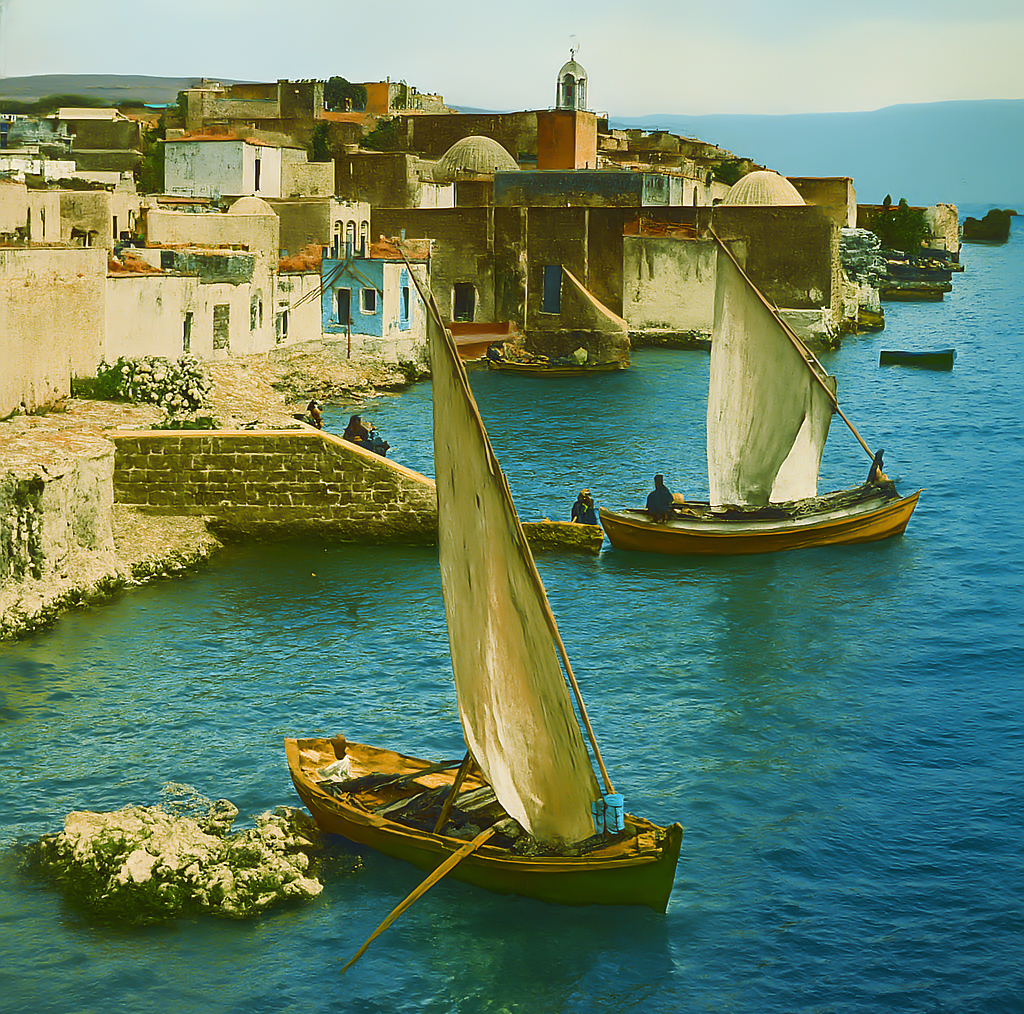
A Childhood Gift
When six years old a dear family friend, Crossie, her name was actually Sophia, gave me a copy of the Holy Bible it was produced by Collins Clear Type. An authorised King James version it bore the British Royal Coat of Arms affirming that it contained the old and new testaments translated from of “the original tongues, and with the former translations, diligently compared and revised by his majesty’s special command appointed to be read in churches.”
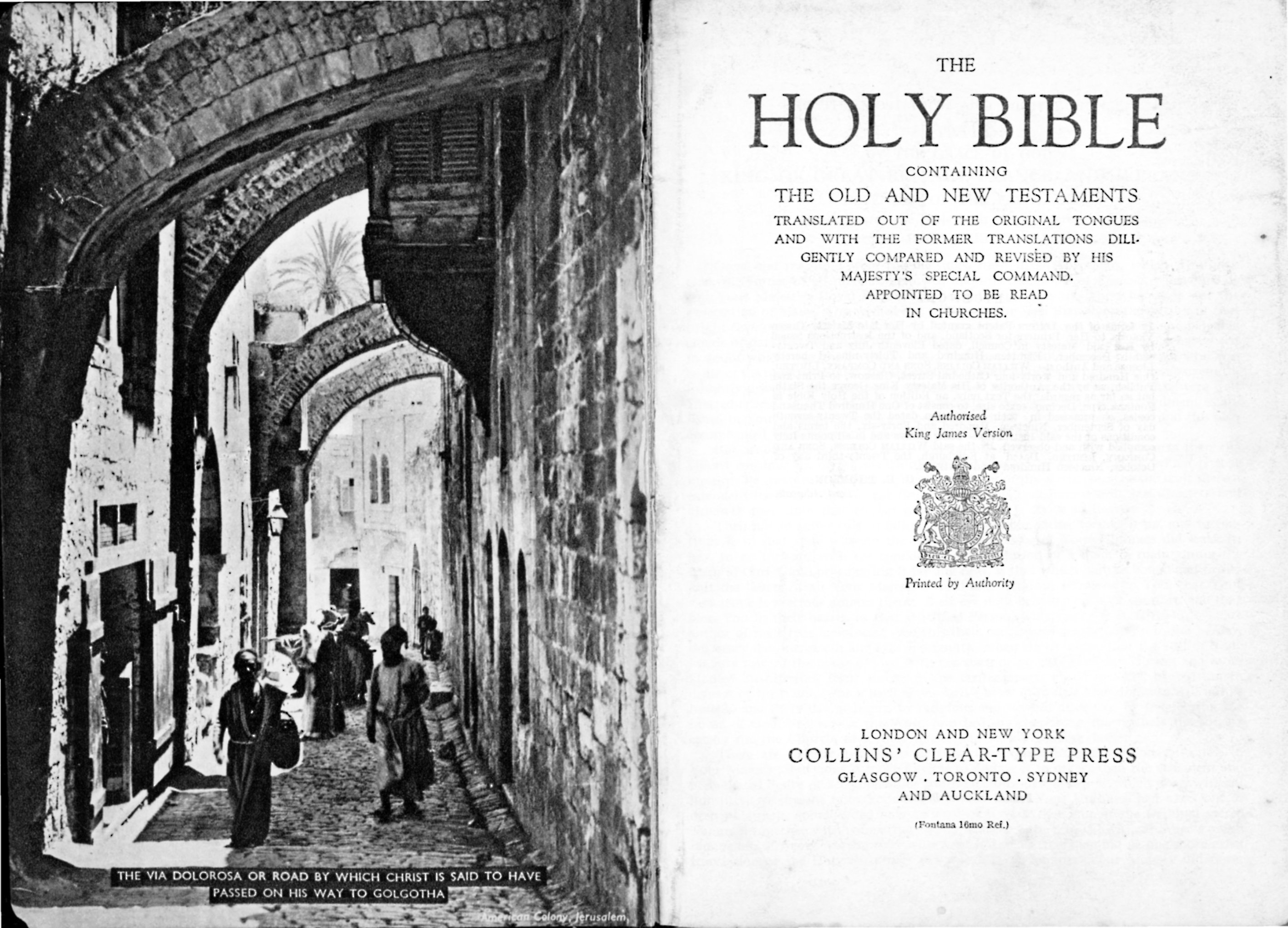
What engaged my interest was certainly not so much its tiny serifed font, about 9pt, and Elizabethan English, rather it was the striking black and white images placed throughout the book. Some of them were labelled American Colony Jerusalem and others copyright Matson photo service, Jerusalem.
Recently using Google’s image search facilities, discover that these images, and many others, from the American Colony Jerusalem and from Matson Photo Service, are now lodged with the United States Library of Congress. All are now free of copyright.
Turning to AI
Wondering how they might appear if colourised I turned to Artificial Intelligence (AI), specifically Microsoft’s Copilot.
Recently I’ve been experimenting with various aspects of AI. My initial excursions into AI involved uploading chapters from a book I had edited in the 1990s, a Geography of Australia, published in Bahasa Indonesia and Geografi Australia. For this I’ve mainly used Gemini and sometimes Copilot.
Experimenting with these two AI tools led me to try Copilot’s graphical capabilities. These tools are useful, but I uncovered some significant problems. Some of these are most easily demonstrated with the colourization of black and white images from my old King James bible.
Lack of environmental accuracy
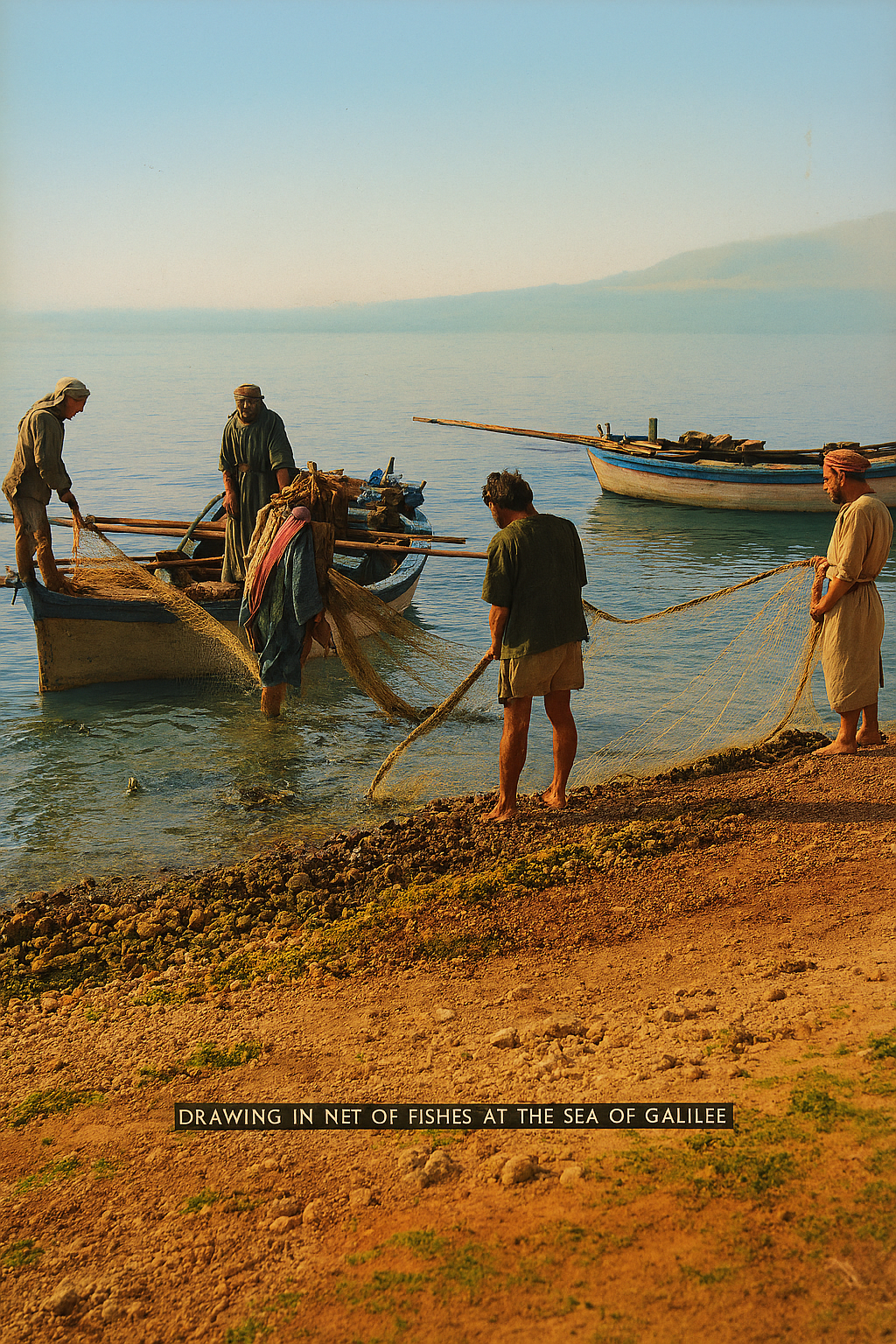
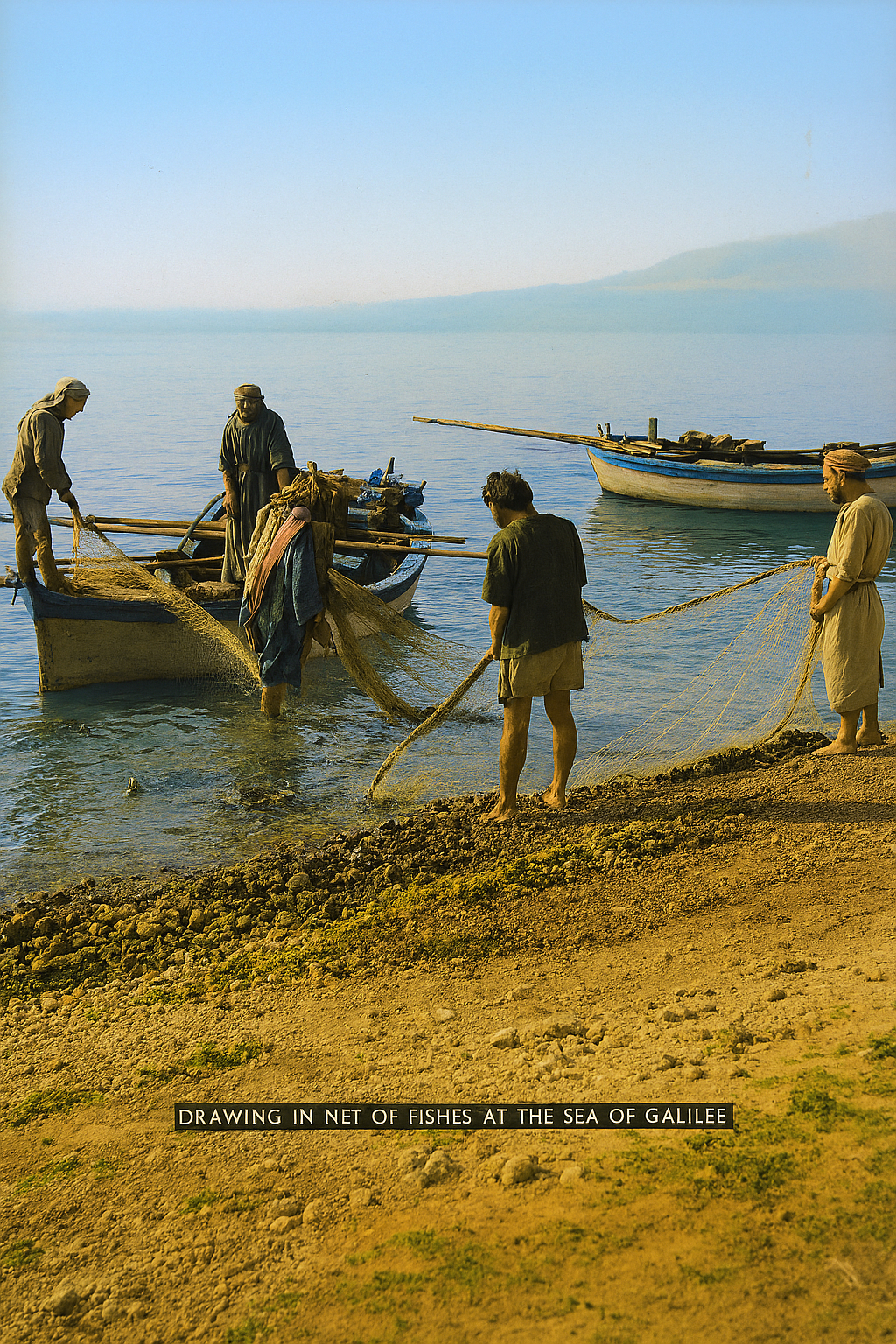
The image on the left presents a shoreline that appears to contain iron rich sediments. In reviewing contemporary images I could find no evidence that this was the case. There were also hues nin the distance that appear too green in the relatively arid environment.
Copilot summarised the instructions I gave it accordingly:
Blue sky with gradient: A clear midday sky was chosen to evoke a sense of openness and warmth. The gradient adds realism, mimicking how the sky deepens in color toward the zenith.
Yellowish-white rocks and sandy soil: These tones suggest a dry, sunlit environment typical of archaeological sites in hilly, arid regions.
Copilot was also inclined to confuse subjects, its most blatant error follows:
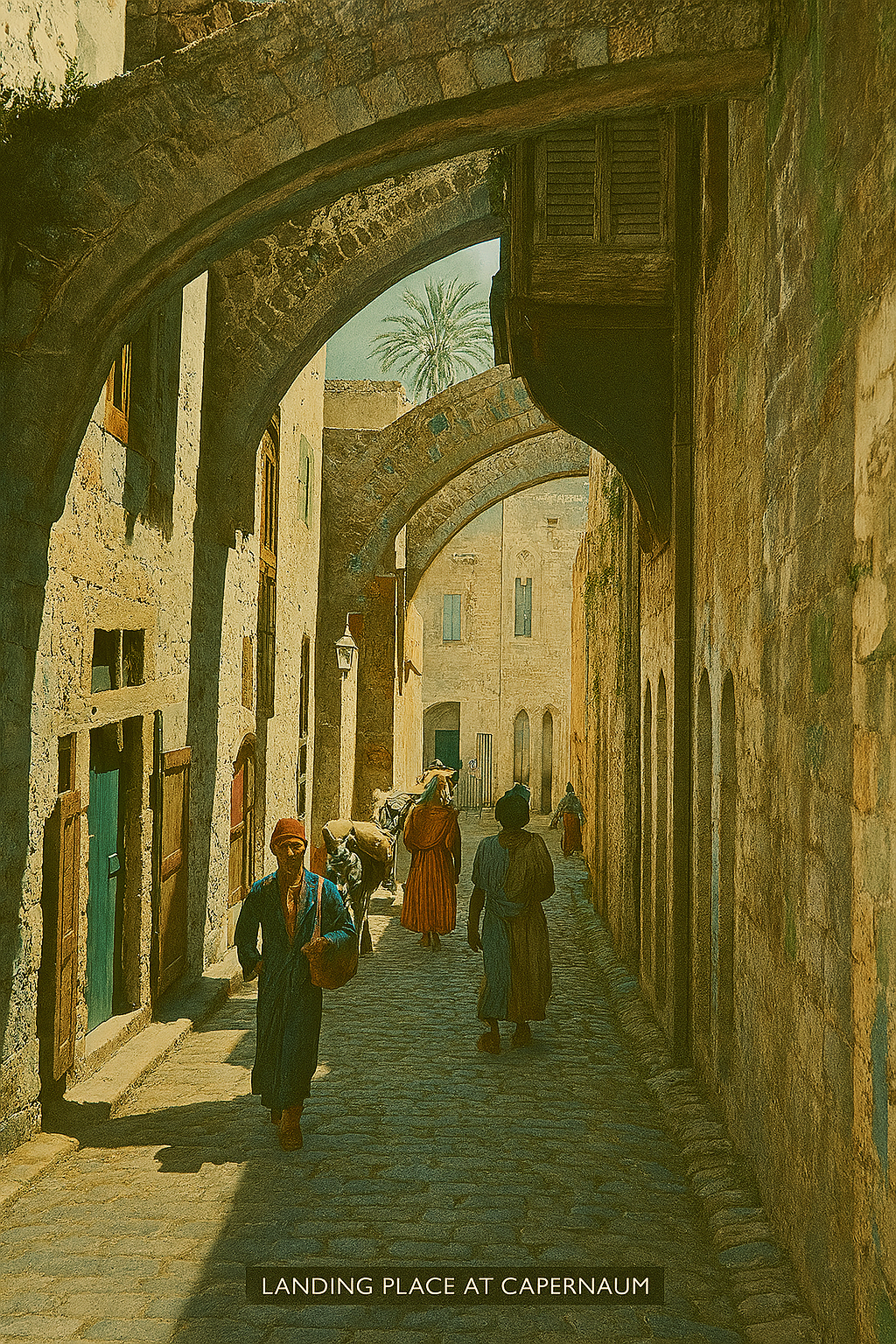
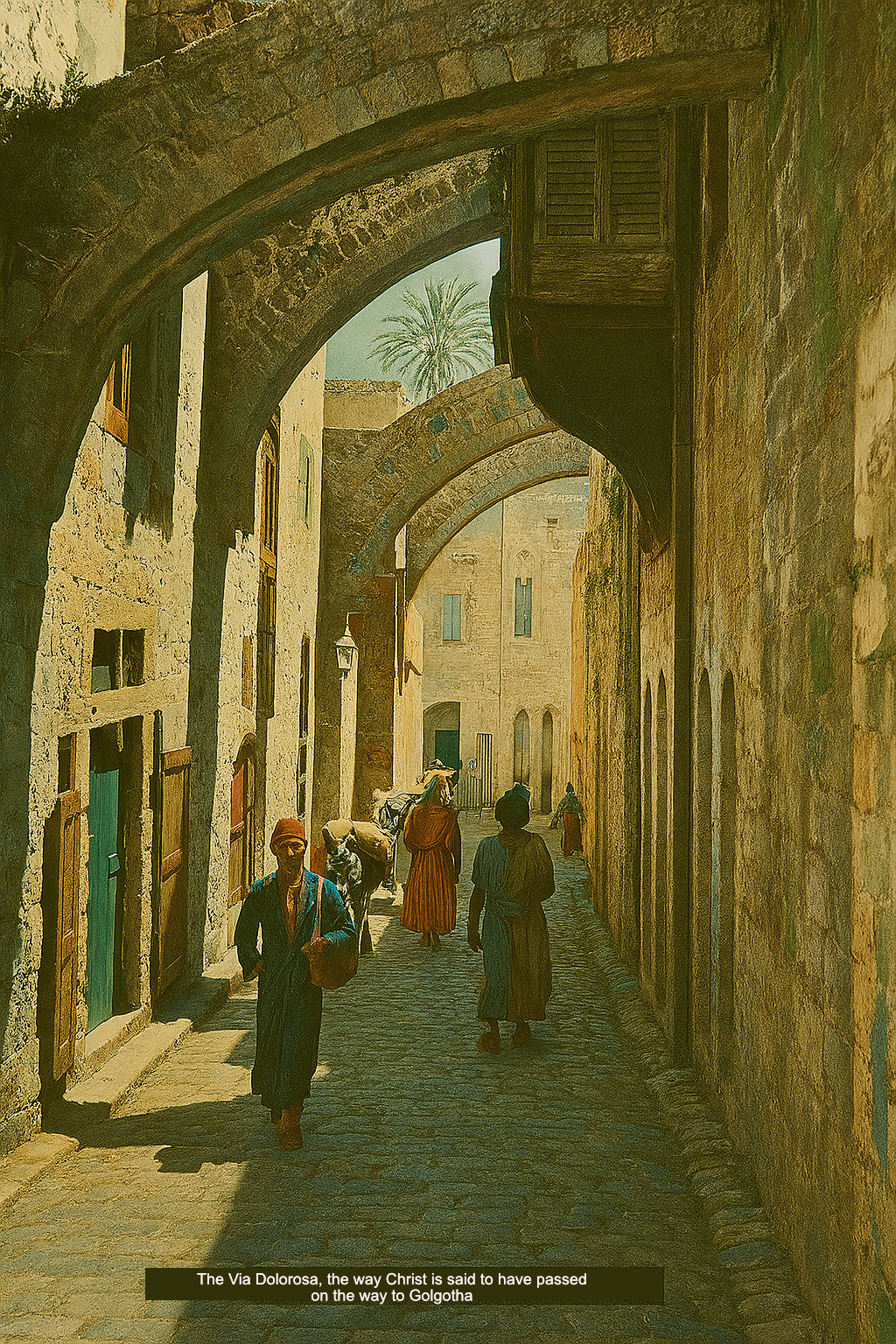
I’d given instructions for this view of the Via Dolorosa to be colourized as part of a batch colourization process. The coding used did not match images with the caption text embedded in the image.
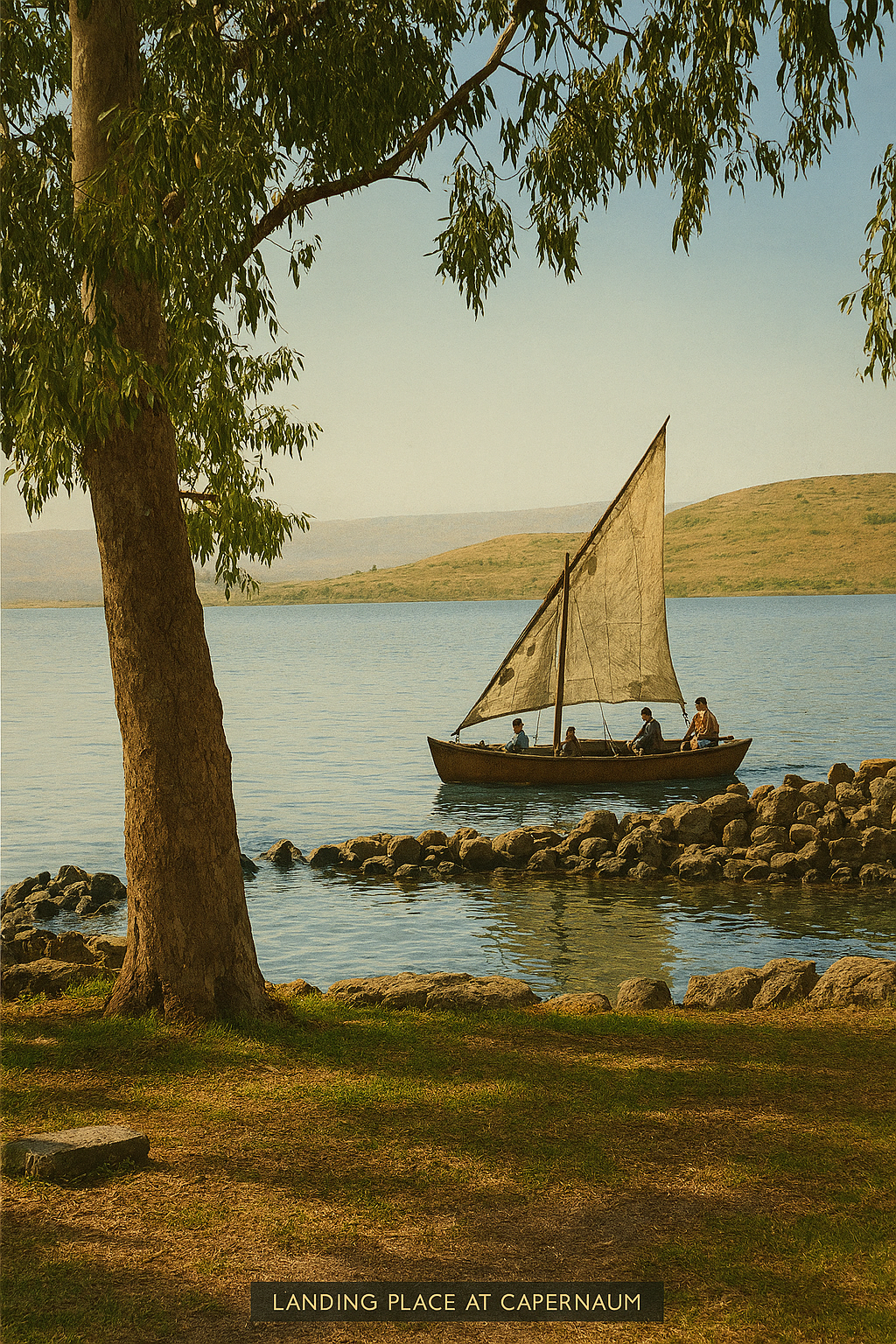
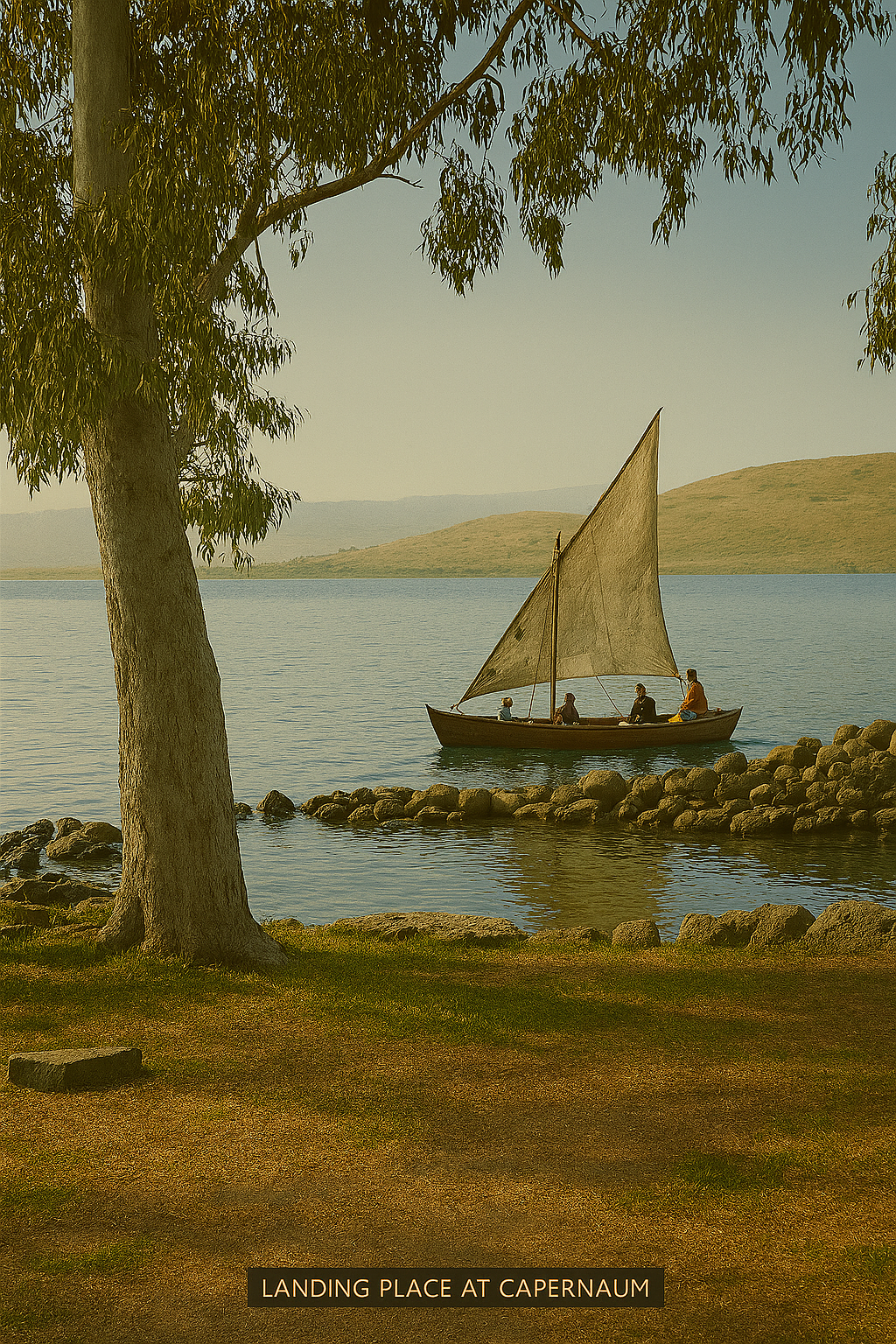
Eucalypts can grow well in arid and mediterranean environments. Here a eucalypt can be seen growing my the Sea of Galilee near Capernaum. For me, who has grown up with eucalypts in Australia the bark colour is wrong, given the leaf structure. This might be a rather obscure botanical observation but I use it to illustrate the imprecision of Copilot.
These are just three immediate problems. Others were uncovered when using Copilot image generation to produce resources for my Geografi Australia project.
I liked this work, though I still had to balance the colour palette after Copilot had finished the basic transition from black and white to colour.
 Maximos' Blog
Leave a comment